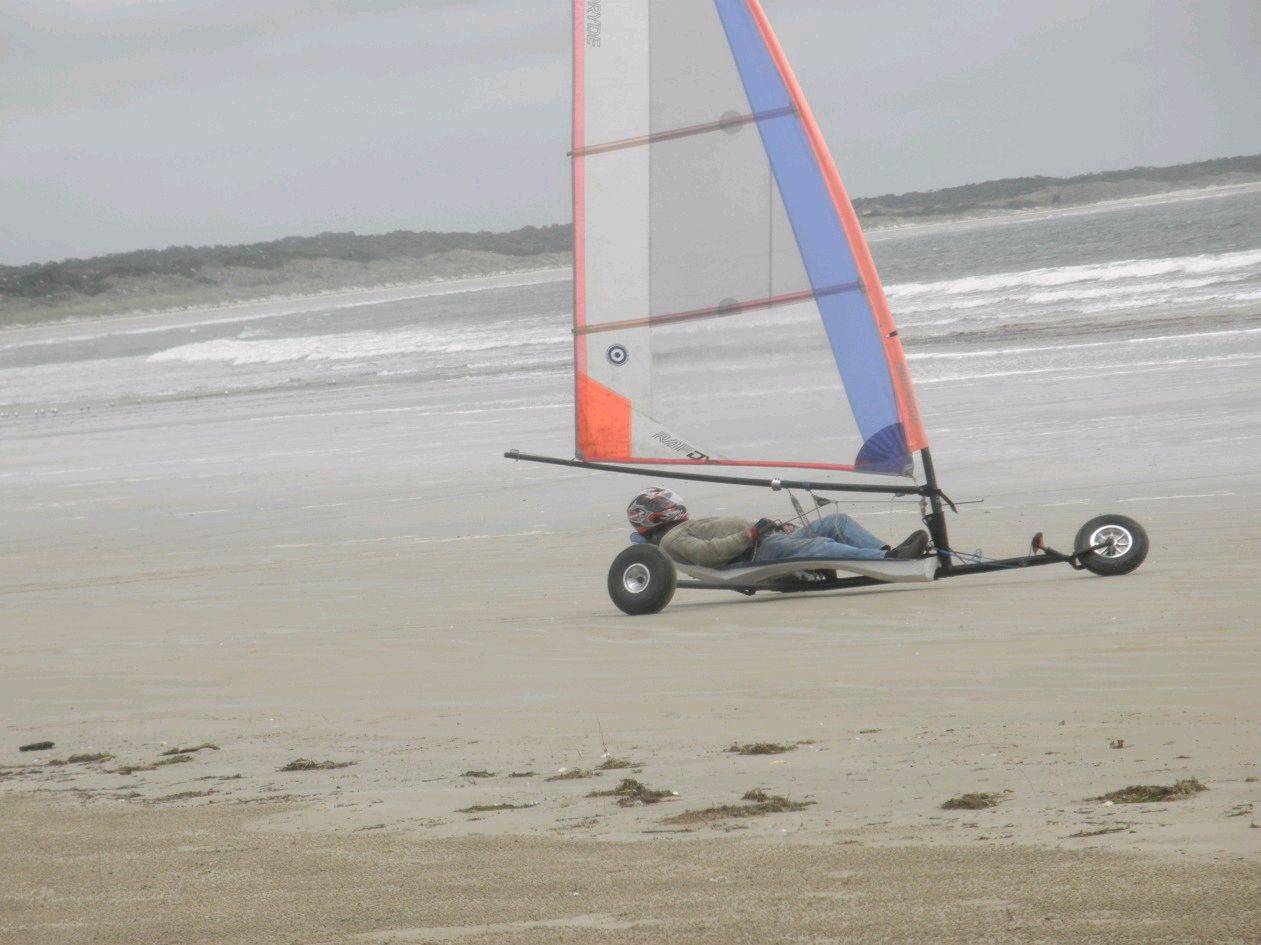
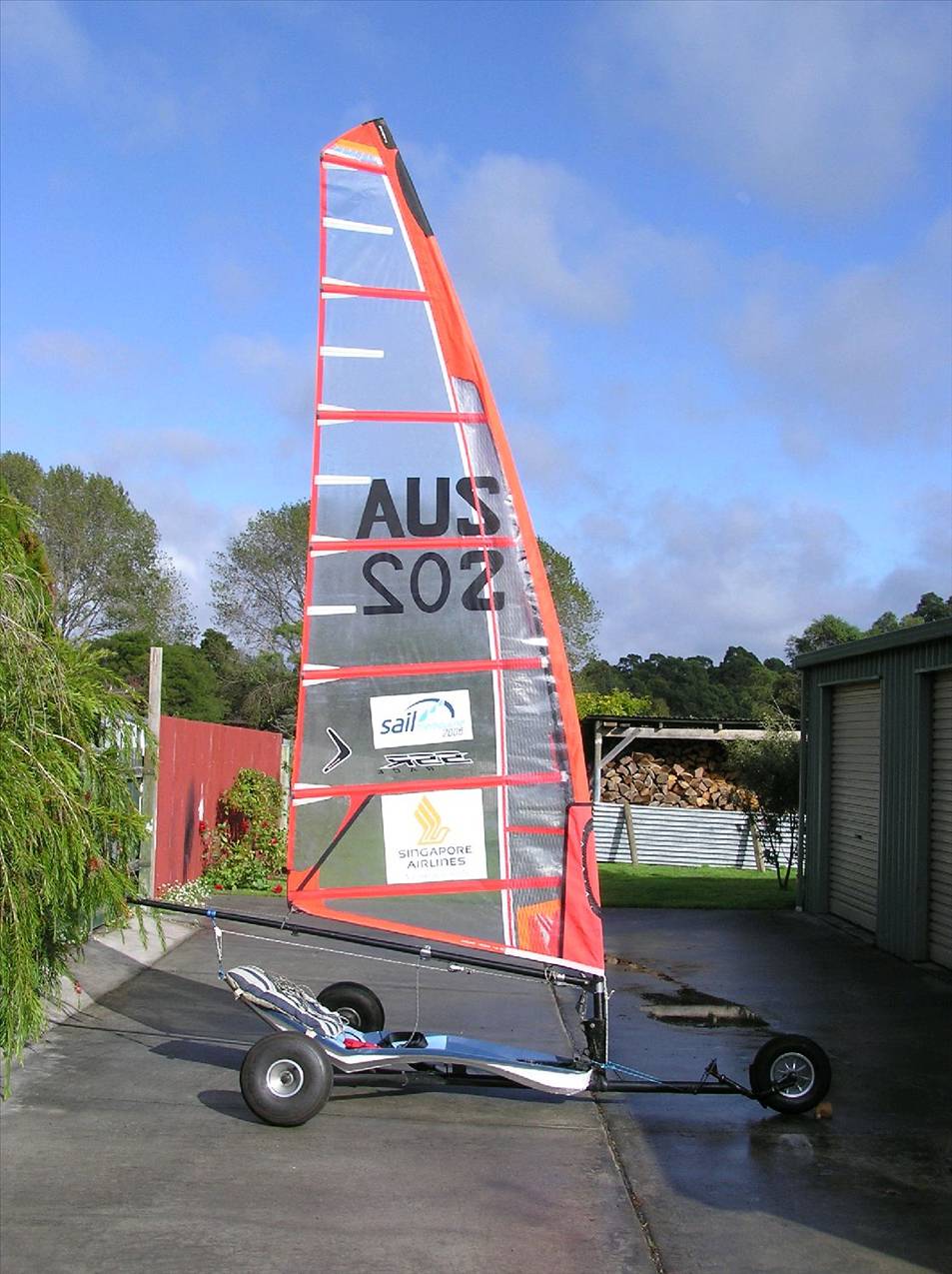
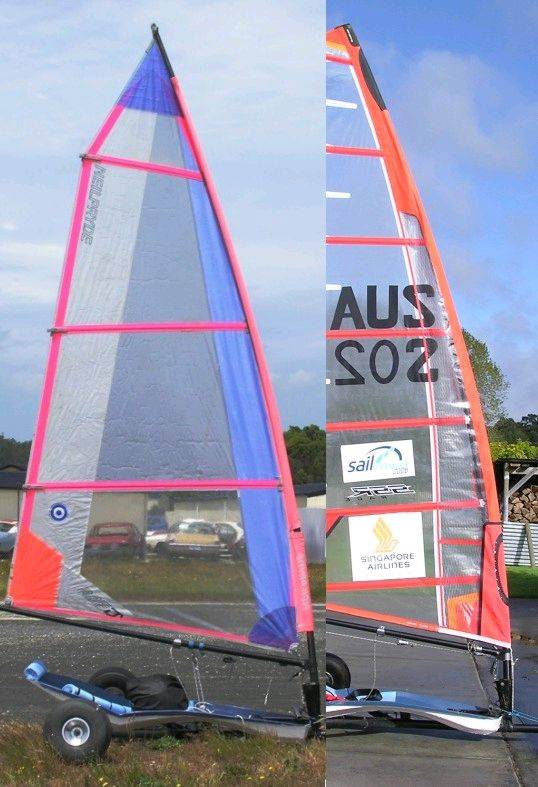
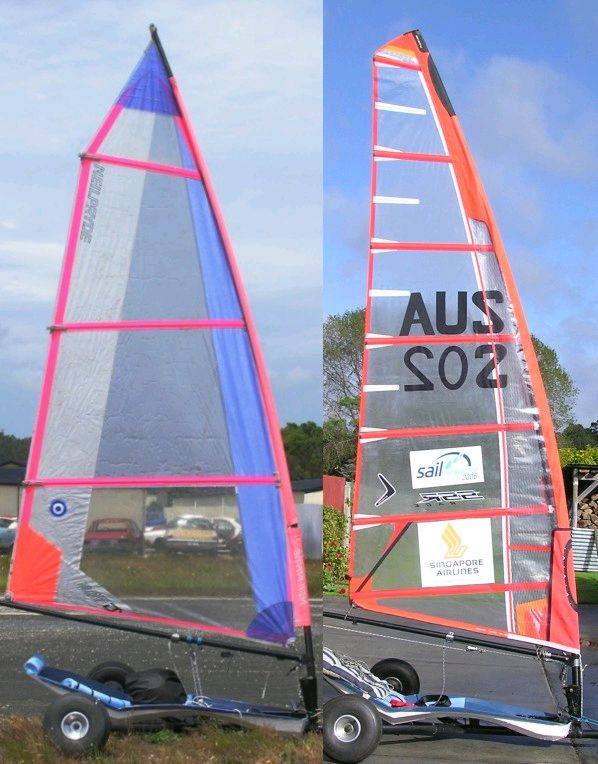
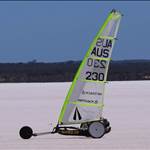
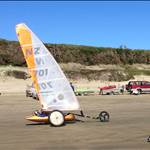
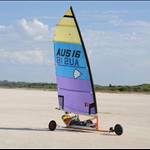
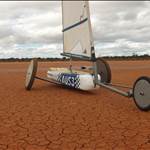
The balance of CE, CG, CR is a VERY variable thing and constantly changes during sailing.
CE, [Center of Effort] the paper model is an interesting way of creating a theoretical point but it doesn't take into account the 3 dimensional shape of a sail, the real life CE point can be moved forward or back by down haul pressure, batten tension, sail out haul and sail sheeting angle as nebbian mentioned. Most wings and that's what a sail is, the maximum lift point is approx 1/3 from the leading edge... so the longer the leading edge the more lift, ever wonder why gliders have long thin wings compared to powered planes? and souring birds have longer wings (Eagles, Albatross and even Seagulls)
Mast rake also effects CE, it will go up and down with sail trim where as a straight up mast the CE would tend to be more consistent like a stayed mast water yacht.
CG, [Centre of Gravity] depends on the yacht construction I have found it on smaller yachts to be about in line with the front on the rear wheels BUT this will vary with the size, weight and proportion of the pilot.
CR, [Centre of Resistance] will depend on tyre size, inflation pressure, tread pattern of all 3 tyres. New tyres v worn out tyres and also the surface will effect CR.
The other often forgotten thing is the surface you sail on, asphalt and salt have very little side slip, sand will vary from beach to beach wet or dry, mud and wet grass are a different ball game again.
There are SO MANY variables when it comes to CE,CG,CR
More info on wings....
en.wikipedia.org/wiki/Aspect_ratio(wing)
en.wikipedia.org/wiki/Bird_flight

 it also seems to be the fastest ones too!