Ultrasonic antifouling for boats - test start

> 10 years ago
Reply
Register to post, see what you've read, and subscribe to topics.
Ramona
Ramona
NSW
7754 posts
NSW, 7754 posts
21 Jul 2012 8:21am
Torch said...

ive been thinking of putting ultrasonics on my boat, J car have a do it yourself kit I have just ordered, let you know how it goes


These are extremely popular with the Poms. Do a search on Practical Owner's Reader to Reader forums. They have been importing them for a few years. Here are a couple of examples, there are dozens of pages on the subject. "Your results may vary".

forums.ybw.com/index.php?threads/jaycar-ultrasonic-antifouling-review.292064/

www.ybw.com/forums/showthread.php?t=258391
Torch
Torch
WA
521 posts
WA, 521 posts
23 Jul 2012 8:05am
Ramona said...

Torch said...

ive been thinking of putting ultrasonics on my boat, J car have a do it yourself kit I have just ordered, let you know how it goes


These are extremely popular with the Poms. Do a search on Practical Owner's Reader to Reader forums. They have been importing them for a few years. Here are a couple of examples, there are dozens of pages on the subject. "Your results may vary".

forums.ybw.com/index.php?threads/jaycar-ultrasonic-antifouling-review.292064/

www.ybw.com/forums/showthread.php?t=258391


thanks for that romona, good read
warwickl
warwickl
NSW
2360 posts
NSW, 2360 posts
17 Aug 2012 10:22pm
Well its about a month since any comment which is obvious as it would be at least 6 months before any real clear results, plus it is winter.

However I thought I would be good to report on the power supply efficiency which is more relevant at this time.

My system is powered with a 200 amp hr new battery charged with an 80 watt solar panel and all is going well despite several days of bad weather.

This power supply system is feeding 2x 50 watt and 2x 20 watt transducers.

Remember on a swing moring consideration to continued power supply is critical.
MattM14
MattM14
NSW
190 posts
NSW, 190 posts
21 Aug 2012 1:24pm
I have been following this discussion like at lot of others as I am quite interested to see how it performs especially if it means longer time between haul outs and less regular antifouling etc.
It occurs to me however that whilst it might be great to not have to haul your boat out as frequently to re do the antifoul, would you not still have to haul out to replace anodes therby defeating the purpose. You may say just fit bigger anodes so they last longer, but that would make for a rather large lump of anode with a corresponding negative impact on performance.
Any thoughts?
Ramona
Ramona
NSW
7754 posts
NSW, 7754 posts
21 Aug 2012 5:58pm
MatM14 said...

I have been following this discussion like at lot of others as I am quite interested to see how it performs especially if it means longer time between haul outs and less regular antifouling etc.
It occurs to me however that whilst it might be great to not have to haul your boat out as frequently to re do the antifoul, would you not still have to haul out to replace anodes therby defeating the purpose. You may say just fit bigger anodes so they last longer, but that would make for a rather large lump of anode with a corresponding negative impact on performance.
Any thoughts?


Anodes can be easily changed with the yacht in the water using a hooka. I think this is one of the items we would be better of waiting to see how successful the ultra sonic unit turns out to be. Regular inspections underwater are always a good idea anyway.
Karsten
Karsten
NSW
331 posts
NSW, 331 posts
22 Aug 2012 5:36pm
MatM14 said...

I have been following this discussion like at lot of others as I am quite interested to see how it performs especially if it means longer time between haul outs and less regular antifouling etc.
It occurs to me however that whilst it might be great to not have to haul your boat out as frequently to re do the antifoul, would you not still have to haul out to replace anodes therby defeating the purpose. You may say just fit bigger anodes so they last longer, but that would make for a rather large lump of anode with a corresponding negative impact on performance.
Any thoughts?


Adding to what Ramona said, if you did not need to scrape, sand and apply two coats of paint, you could just consider an annual 30-min lift-splash that some yards offer for quick inspections. Would be enough time to check/replace anodes, and the cost is often a fraction of what it would cost to haul, set up and park for two days and drop back.
MorningBird
MorningBird
NSW
2709 posts
NSW, 2709 posts
22 Aug 2012 10:08pm
I have hard racing antifoul and now redo the antifoul every 2 years. After about 12 months I get a diver to give the hull a scrub. That lasts about 3-4 months when I get him to do it again. I then need to get it done once more and if needed replace the anode. Then it is time for a slipping and antifoul. Each scrub is $70-80.
I do clean it myself if the water temperature is amenable but he can do it quicker and better than me with a snorkel.
$1450 for the slip and antifoul, $240 for the 3 scrubs means $1700 every two years, $850 pa.
Karsten
Karsten
NSW
331 posts
NSW, 331 posts
22 Aug 2012 10:50pm
MorningBird said...

I have hard racing antifoul and now redo the antifoul every 2 years. After about 12 months I get a diver to give the hull a scrub. That lasts about 3-4 months when I get him to do it again. I then need to get it done once more and if needed replace the anode. Then it is time for a slipping and antifoul. Each scrub is $70-80.
I do clean it myself if the water temperature is amenable but he can do it quicker and better than me with a snorkel.
$1450 for the slip and antifoul, $240 for the 3 scrubs means $1700 every two years, $850 pa.


I know this question represents a bit of topic drift, but what the hell ... lets divert for a moment from the Ultrasonic option. Above, Morningbird summarised very nicely some of the benefits of Hard Antifouling. Now I have never used the hard stuff, so I'm thinking if it lasts that well and can be scrubbed, what's the downside/s of hard antifouling compared to ablative antifouling? Why doesn't everyone use it?
Ramona
Ramona
NSW
7754 posts
NSW, 7754 posts
23 Aug 2012 8:45am
Karsten said...

MorningBird said...

I have hard racing antifoul and now redo the antifoul every 2 years. After about 12 months I get a diver to give the hull a scrub. That lasts about 3-4 months when I get him to do it again. I then need to get it done once more and if needed replace the anode. Then it is time for a slipping and antifoul. Each scrub is $70-80.
I do clean it myself if the water temperature is amenable but he can do it quicker and better than me with a snorkel.
$1450 for the slip and antifoul, $240 for the 3 scrubs means $1700 every two years, $850 pa.


I know this question represents a bit of topic drift, but what the hell ... lets divert for a moment from the Ultrasonic option. Above, Morningbird summarised very nicely some of the benefits of Hard Antifouling. Now I have never used the hard stuff, so I'm thinking if it lasts that well and can be scrubbed, what's the downside/s of hard antifouling compared to ablative antifouling? Why doesn't everyone use it?


I use Hemple hard antifouling and its coming up to two years since the last job. Probably less than $600 to slip and paint [country rates] I do the painting. I scrub down when needed from my catamaran with a long handled broom and swimming. With my fishing vessel I always used soft antifoul but it was slipped annually or less usually. With a yacht I think the hard gives a slippery finish and looks better! How sad is that?
Poodle
Poodle
WA
868 posts
WA, 868 posts
23 Aug 2012 9:22am

I know this question represents a bit of topic drift, but what the hell ... lets divert for a moment from the Ultrasonic option. Above, Morningbird summarised very nicely some of the benefits of Hard Antifouling. Now I have never used the hard stuff, so I'm thinking if it lasts that well and can be scrubbed, what's the downside/s of hard antifouling compared to ablative antifouling? Why doesn't everyone use it?


In our experince, we've found hard stuff works well (& is better for racing) if you live in a "low growth" environment, ie: on the ocean. Although we mainly race on the ocean, we are often based on the Swan River. The warmer water & high nutrient levels are a marine growth bonanza, and the hard stuff quickly gets swamped. We use ablative stuff instead.

Funny however, many of the offshore based boats also use the ablative stuff.

Poods


QueSera
QueSera
3 posts
3 posts
28 Aug 2012 5:55pm
Hi Karsten,
Ablative antifoul paint is soft and wears off. Hard antifoul is just that; it's tough and stays on the hull. The previous owner of my boat was a racer and I had to remove about eight layers of hard antifoul to get to the original gel coat as part of the restoration. It was a bugger of a job. I ended up opting for a chemical paint stripper (Hull Strip) but that only took off the first four layers and I sanded off the rest. I never want to do that again.

Pete
Karsten
Karsten
NSW
331 posts
NSW, 331 posts
28 Aug 2012 9:51pm
Good point.
warwickl
warwickl
NSW
2360 posts
NSW, 2360 posts
14 Sep 2012 8:48pm
Hi All

This project is like watching paint dry but we have had some warmer and sunny days here with lake water a bit warmer.

In the next couple of weeks I will do a dive under the boat for a look.

Is there anyone esle out there with comments on similar systems with upto date results - input would be appreciated.
Schatzee
Schatzee
2 posts
2 posts
14 Oct 2012 2:32pm
Hi Warwickl.......we are following your progress with Cleanaboat ultrasonic anti fouling.....we live on the Gold Coast and are looking at installing this product on our IPS drive boat.
Hopefully this will help with the problem of growth......many products we found in Australia are very expensive to install....this could help.
We shall also let this forum know of our future progress.
Our boat is located at a pontoon mooring in one of the canal's.
Cheers and good luck!
warwickl
warwickl
NSW
2360 posts
NSW, 2360 posts
19 Oct 2012 9:34pm
Now installed about 4 months so a summary and update.

Boat last antifouled Nov 2011, CleanAboat Ultrasonic Antifouling system fitted June 2012 so boat went through a summer.

Current status:

Due to some inconsiderate person placing a crab trap close to my boat and the cord winding around both props I needed to dive under the boat to remove the crab trap. They knew what they had done as the float had been removed.

So I have now done an under water inspection and must admit I am surprised at the almost no growth any where, props, rudders clean just a bit of slime about and growth on the trim tabs. If you look back at the posts I had scraped off most of the growth on the swim platform struts and no change here.

After about 15 minutes I had scraped off the shell fish shells that just crumbeld and fell off the trim tabs and out of the exhausts plus removed the crab trap cord.

My boat now looks like it just came back from the marina after an antifoul service.

Now no need for the annual trip to the marina as nothing to remove.

Lets see how things go through the coming summer period.

PS: my power supply system ie 80 Watt solar panel is working well keeping up adequate power to the CleanAboat system.
Schatzee
Schatzee
2 posts
2 posts
20 Oct 2012 3:13pm
Great to hear all is going well with your Riviera 3350.....our CleanAboat Ultrasonic Antifoul is now installed on our Regal 4060 IPS....sorry to hear about the crab pot!
They installed one 50 watt Transducer on each IPS and two extra 50 watt Transducers just forward of the drives.
So shall see how things go.
The boat went back in the water on Wednesday 17th Oct 2012
Jode5
Jode5
QLD
853 posts
QLD, 853 posts
10 Nov 2012 1:15pm
I have just come across this post which interested myself as I have electronic antifouling fitted to my 45 ft fiberglass yacht so I thought I might pass on what I have found so far.
The boat is a Catalina 445 fitted with a shaft driven 3 blade feathering prop, hull construction is solid glass. The boat was first launched painted with Altex 5 antifouling in October 2011.
I would have never fitted electronic antifouling as I was like a lot of other people who have never had it and thought it was just another load of mumbo jumbo.
In December last year I was given 2 of the Jaycar units which I through in the cupboard. In February I thought well I have nothing to loose, I might as well fit them to the boat. I race the boat most Wednesdays and Saturdays but I do go away for periods up to 6weeks when the boat does not move.
The boat was dived on in September and all that was required was a wipe with a sponge, there was no growth on the propellor though it is coated with prop speed. The main thing that shows that some thing is working is the log paddle wheel. The paddle wheel has no anti fouling on it at all and remains in the water full-time. This week was the fist week I have had to remove the paddle wheel for cleaning and I found it to have very little fouling on it but it does not take much to stop them. Prior to the electronic anti fouling the paddle wheel required cleaning every week.
In summary I believe electronic antifouling combined with a good painted antifouling certainly reduces the need for wash downs which will increase the duration between slipping. I would not spend $4,000 on a unit but I would spend the cost of the Jaycar unit. Electronic antifouling is not the come all end all but it certainly does help and has transformed this sceptic into a believer.
keithw
keithw
NSW
190 posts
NSW, 190 posts
3 Dec 2012 9:30pm
Hi,
How's it all going?

I was wondering if the effect would be increased if you used the ultrasoncic's while the boat was moored with a plastic skirt around the hull?

Keithw
Ramona
Ramona
NSW
7754 posts
NSW, 7754 posts
4 Dec 2012 8:57am
I had a dive under my yacht on Saturday before going sailing. Had the usual shell on the folding prop which is no problem as its easy to reach and clean with a long handled scraper from the tender. What was annoying though was a couple of large patches of shell just near the bottom of the keel on the sides. Lead keel encapsulated in fibreglass. I was thinking about how infective Ultra sonic stuff would be on shell down there while I was holding my breath in particularly cold water! Next time its out with the hookah gear!
HaveFun
HaveFun
NSW
201 posts
NSW, 201 posts
7 Dec 2012 10:50pm
I was sceptical but I am now thinking there might be something in it.
keithw
keithw
NSW
190 posts
NSW, 190 posts
10 Dec 2012 11:38am
From the articles I've bgeen reading you need the vibrations from the ultrasonics so I guess keels being lead or iron and a denser it would reduce the ultrasonic effect?
LooseChange
LooseChange
NSW
2140 posts
NSW, 2140 posts
10 Dec 2012 1:39pm
keithw said...
From the articles I've bgeen reading you need the vibrations from the ultrasonics so I guess keels being lead or iron and a denser it would reduce the ultrasonic effect?


Lead being worse than iron or steel as lead doesn't resonate, hence its use as sound deadening material. Ultrasonics being sound after all, just that we don't hear it ... hopefully only the targeted critters do.
warwickl
warwickl
NSW
2360 posts
NSW, 2360 posts
10 Dec 2012 7:51pm
The CleanAboat system I have installed has additional mini 20 watt transducers to target items.

I have these 20 Watt transducers directly bonded onto the metal rudder arms and as reported in my earlier posts - no growth.

If not bonded directly on then there is a good chance of loss of effect accross the rudder shaft seal.

I suggest contacting the company from where you bought the system and ask for advice.
HaveFun
HaveFun
NSW
201 posts
NSW, 201 posts
10 Dec 2012 8:46pm
My original concern with ultrasonic systems was whether the vibrations would eventually cause fatigue cracking somewhere in the boat structures. I was starting to believe I was wrong about vibration to the hull from the ultrasonic transmitter. Ultrasonics used in non-destructive testing of materials is only on for a few seconds.
warwickl
warwickl
NSW
2360 posts
NSW, 2360 posts
11 Dec 2012 11:14am
I have not noticed any information in regard to structural damage, I will let you know if I notice any.

Professional fisherman use very powerful transducers with their fish finders for many hours all most every day and have done for many years in boats of all types of construction so may be they could comment on this.
LooseChange
LooseChange
NSW
2140 posts
NSW, 2140 posts
11 Dec 2012 3:01pm
I don't believe that there is any detriment to the hull or other structure resulting from ultra sonics whereas the same could not be said for E.L.F. or V.L.F. where I believe there exists evidence of structural failure, but this failure is usually also associated with sound pressures in the regions of 120db and above, not the sort of thing at all that you find commonly in boats. ......... Unless of course you were building a weapon
Ramona
Ramona
NSW
7754 posts
NSW, 7754 posts
11 Dec 2012 6:28pm
warwickl said...
I have not noticed any information in regard to structural damage, I will let you know if I notice any.

Professional fisherman use very powerful transducers with their fish finders for many hours all most every day and have done for many years in boats of all types of construction so may be they could comment on this.


Professional fishermen use 3 KW at 28, 50 0r 200 kHz at about the maximum. Transducers are Piezo electric which vibrates to create the "noise". Interestingly the transducer face, which is usually rubber is one of the worst parts of the underwater section for shell growth. Under my boat again on Saturday and enjoyed listening to my stereo playing classic rock. Perhaps a station playing rap may keep the critters away!
Charriot
Charriot
QLD
880 posts
QLD, 880 posts
11 Dec 2012 9:13pm
As I understand, if ultrasound works, than fishing boats never need any anti fouling considering
they constantly , cleaning hull with 3kW bursts plus return pulse
would have additional benefit to clean too.

Ultrasound has no damaging affect at all. It's one of the safest frequencies.
In hospital use ultrasound scanner to check unborn babys.

Extremely low frequency under 20Hz is damaging and destructive.
/some suggest that wind-turbines producing low frequencies /
keithw
keithw
NSW
190 posts
NSW, 190 posts
15 Dec 2012 6:05pm
I thought marine growth was minimal while the boat was on the move, but once stationary every little green or shell life form decided to park it self on the hull and surounding areas? That is why I thought the use of the plastic skirt system around the hull would enhance the ultrasonic system.
warwickl
warwickl
NSW
2360 posts
NSW, 2360 posts
15 Jan 2013 4:04pm
14 Months since last antifoul and 7 months since the CleanAboat Ultrasonic System was fitted.

Here is a summary of the level of success since installing the CleanAboat Ultrasonic antifouling system.

June 2012 System installed about 6 months after last antifouling, so the boat had already been through 1 summer.

System installed included 2x 50 watt transduces bonded the hull floor directly over the propellers and 2 x 20 watt mini transducers bonded to the metal arms for each rudder

Mid October 2012 No new growth and any previous growth was dead and fell off with light scraping/rubbing – power supply working very well ie 200 Ah battery charged with an 80 Watt solar panel

December 2012 A quick inspection noticed white worm growing on the transom and some on the sides below the water line and all very much alive.

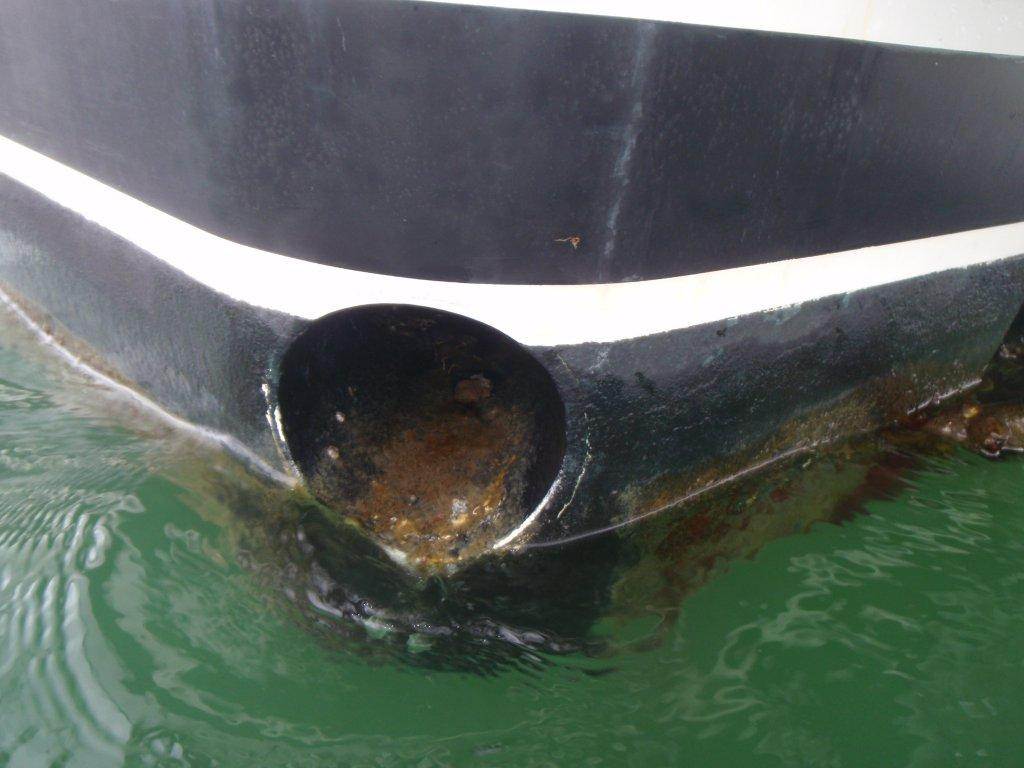
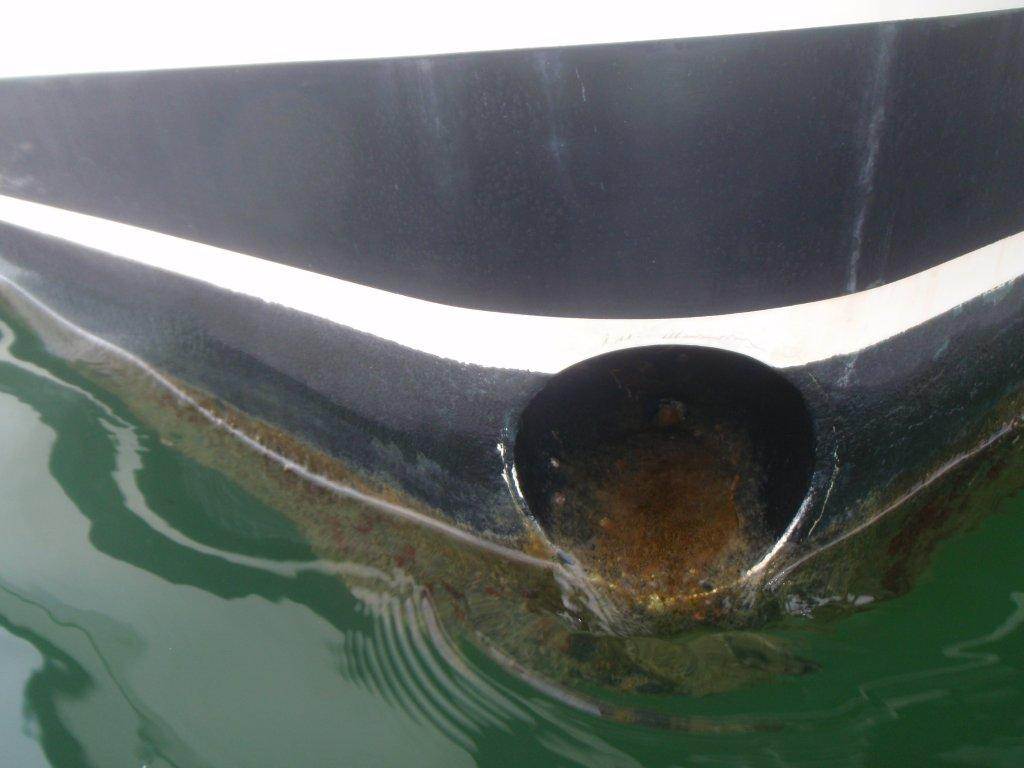
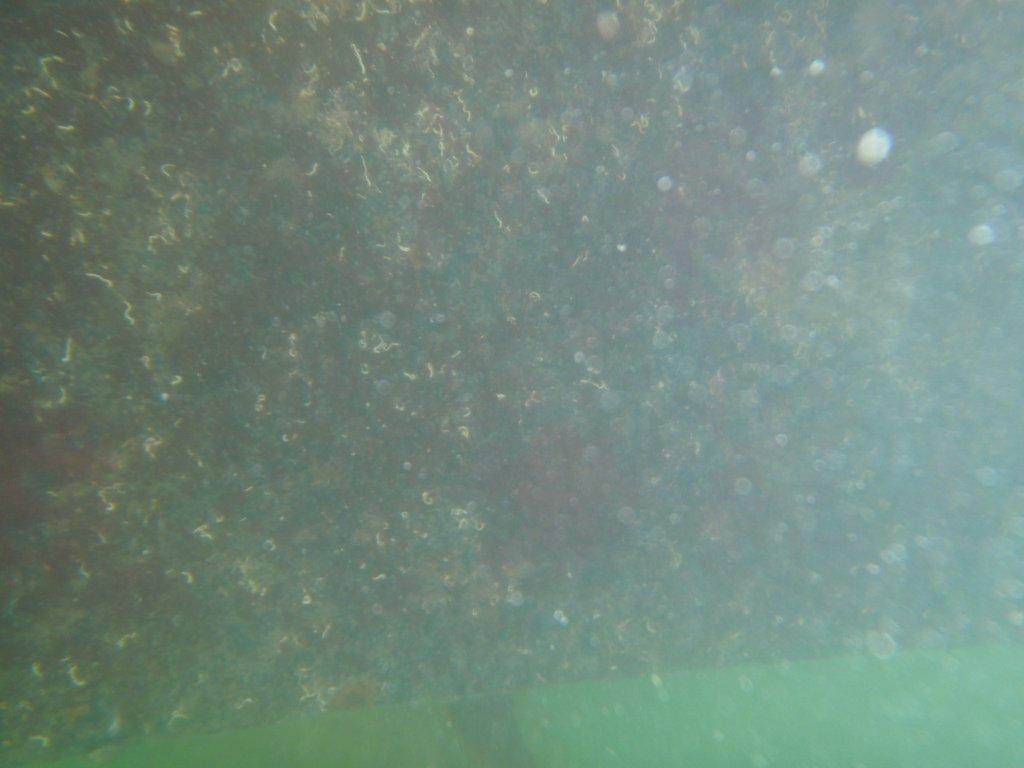
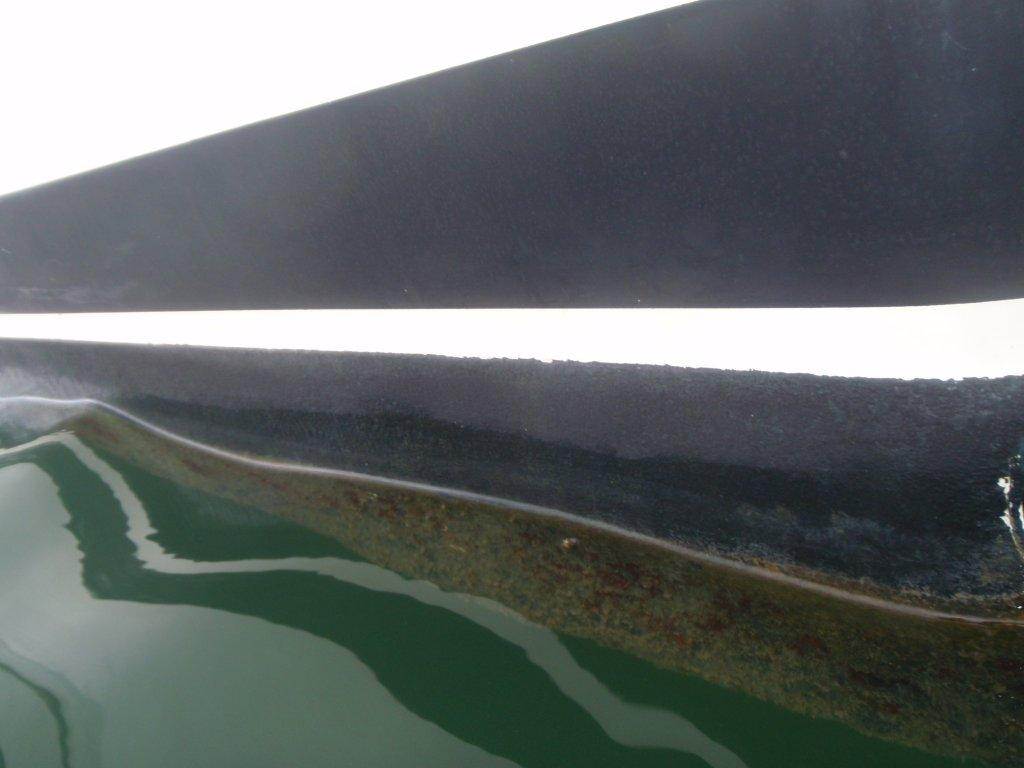
13 January 2013 I took some photos as attached. The white worms have died and now just mostly rub off, there is a lot of slime and a few (may be 6) shell fish here and there. The slime just rubs off with a hand wipe even though it is thick. I felt under to the trim tabs and they seemed to have some hard growth which I would think are dead white worms.

Note: Due to circumstances I have had little use of my boat, may be 6 hours running since June 2012 when the system was installed. The lack of use has not given slime and other bits the chance to get washed off this makes the test to date even more interesting in regard to its effectiveness.


General Comment: What seems to occur is that some shell fish and other forms of life like the white worms are still able to attach themselves however they die and are easily rubbed off. I expect with the normal boat use the slime and dead things would mostly wash off.

My experience rings true with the claims that the systems do not kill fish but only algae. The slime on the boat is dead algae so no longer a food source

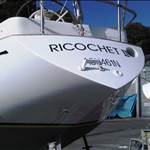
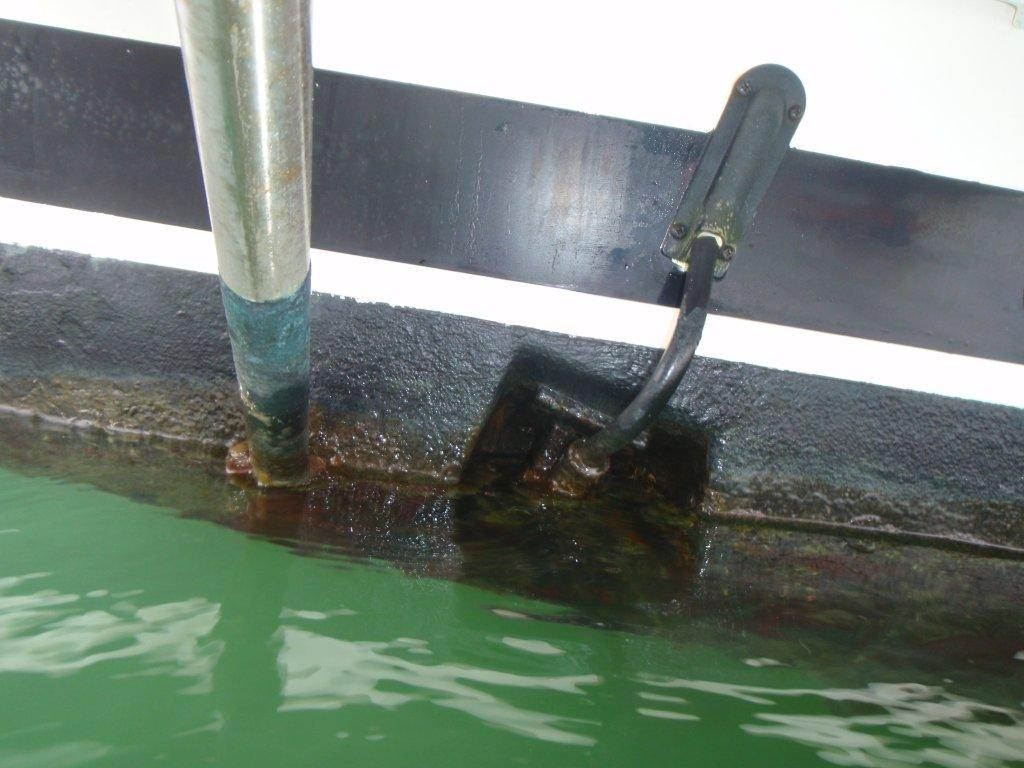
Photos Comments: Photo of slime around the corner of the transom at the exhaust outlet, then hand wiped off slime photo shows the removal of some slime just by rubbing my hand over that corner section.

Swim Platform struts in June 2012 had significant growth and shell fish and I think it was in October 2012 all was dead so I was able to easily scrape them off. These photos show little to no new growth now and only 1 stubborn shell fish that is still alive.



Please Register, or first...
Topics Subscribe Reply

Return To Classic site 😭
Or... let us know if a problem, so we can tweak! 😅