
Warmer Water, Different Fish This Winter

In short
East Australian waters are running 3-4 degrees above seasonal average as of May 2026, with the Tasman Sea up 2 degrees - the warmest conditions at this time of year in recent memory.
Warm water shifts where fish hold, when they spawn, and what they eat - and for anglers willing to adapt, it opens species opportunities that a cooler winter would close.
What to watch
Species that normally retreat north by June are staying south - kingfish, mahi mahi and Spanish mackerel are worth targeting along NSW and Victorian coastlines through at least July.
The ocean off Australia's east coast is running warm - and fish are responding.
BOM's sea temperature analysis for the week ending 10 May 2026 shows water temperatures 3-4 degrees Celsius above the long-term seasonal average off NSW and eastern Tasmania, with the Tasman Sea broadly 2 degrees warmer than normal for this time of year.
That level of anomaly doesn't just make the water more comfortable - it reorganises feeding systems and shifts species boundaries that anglers have relied on for decades.
Why the ocean is this warm
The East Australian Current - the fast, southward-flowing river of warm subtropical water along the east coast - has strengthened by roughly 20% over the past 50 years, according to CSIRO research.
That strengthening pushes warm Coral Sea water further south than historical norms, raising baseline temperatures from Sydney to eastern Tasmania and creating conditions more typical of waters 3-5 degrees of latitude north.
The current El Nino transition is amplifying this further: early El Nino periods tend to suppress cold upwelling events along the southeast shelf, leaving surface waters warmer than in La Nina years.
At the surface, 3-4 degrees of anomaly is the difference between a kingfish holding in your bay through July and one that headed north in early June.
"Fish don't eat temperature - they eat the bait that follows temperature. Chase the bait schools, and the predators will be there."
That insight, from Alistair Hobday at CSIRO, captures the practical implication of ocean warming - temperature is the signal, but bait movement is the target to locate.
Species holding south this winter
Kingfish are the most immediate opportunity for NSW and Victorian anglers this season.
They prefer water between 17 and 24 degrees Celsius - with inshore temperatures sitting 3-4 degrees above average, the preferred thermal band now extends well south of its usual winter position, keeping fish in accessible harbour and offshore grounds through June and into July.
Mahi mahi, usually a summer fish in NSW, are being encountered in central and northern NSW waters in numbers that reflect the southward push of warm East Australian Current water.
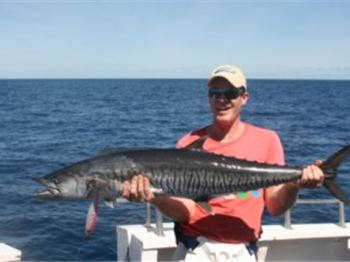
Spanish mackerel are following a similar pattern, with reports from central NSW waters that would have been unusual five years ago becoming more common as the current strengthens.
CSIRO research tracking more than 100 Australian marine species confirms that range extensions are now the norm - over 100 species have shifted distributions southward, with tropical wrasses in WA moving almost 1,000 kilometres south-east between 2006 and 2015 alone.
Species that benefit from warmth differently
Tailor migrate north along the NSW coast as temperatures drop in autumn and early winter - with temps staying elevated this year, the migration front is running later, keeping large schools at Sydney beaches and headlands into June.
Yellowfin tuna, found from Torres Strait to eastern Tasmania depending on season, follow warm surface water eddies shed by the East Australian Current - the offshore grounds from 35 to 40 degrees south are worth watching for warm-water intrusions that concentrate fish.
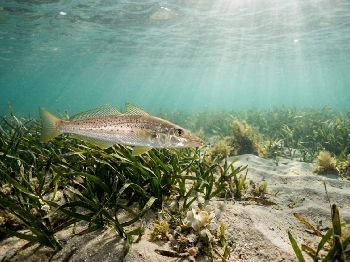
King George whiting in Victoria and SA are in peak season regardless of temperature, but warmer water through Port Phillip Bay and Gulf St Vincent is extending productive feeding hours later into each tide cycle.
Where to focus effort
The practical approach is to follow the 19-21 degree isotherm - the temperature band that concentrates the widest range of productive pelagic species at this time of year.
That line currently sits significantly further south than its historical May position, meaning grounds that normally go cold by this point are still productive.
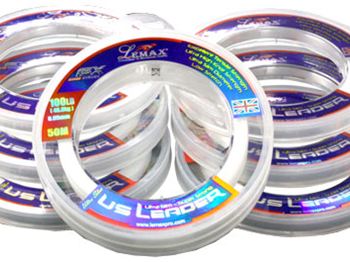
In estuaries and bays, warmer water is keeping bream and flathead active on sand flats later into the season - but fish in clear, warm water are warier and require lighter leaders and smaller presentations to draw strikes.
What changes as winter deepens
Even in a warm year, east coast waters will cool through June and July as solar input decreases and southerly winds increase surface heat loss.
The temperature anomaly may persist, but absolute temps will still drop - and species that tracked south will begin pulling back north as the thermal window closes.
Watch for rapid cool changes behind sharp cold fronts, which can drop surface temps 3-4 degrees in a day and trigger immediate baitfish movement - those transitions often produce the best fishing of winter as predators feed hard ahead of the cold.
Track water temperatures and swell via Seabreeze's marine forecasts to catch those windows as they open.