
Bass Strait Tuna Run: Warmer 2026 Timing

In short
Southern bluefin tuna are running Bass Strait for winter, but 2026's Tasman Sea surface temperatures running up to 2 degrees above average are pushing fish deeper than usual into June.
Portland remains the hub, but the shelf break is producing a wider spread - anglers who switch to downriggers at 30 to 50 metres are finding fish while surface trollers come home empty.
What to watch
Track Tasman Sea surface temperature drops through June: that cooling signals when the thermocline starts working in your favour and surface-lure action picks up.
Southern bluefin tuna are in Bass Strait, with catches confirmed off Portland, Port Fairy and along the Victorian shelf edge since mid-May 2026.
The run typically starts as surface water cools through autumn, triggering SBT to feed heavily as they migrate eastward through Bass Strait toward their winter grounds.
This year is running warm - and that's changing how the season is playing out.
The Bureau of Meteorology's winter 2026 seasonal outlook shows Tasman Sea surface temperatures up to 2 degrees Celsius above average for the June to August period.
That warmer surface layer is pushing fish deeper and shifting the timing of the best surface-lure action toward late June and July.
Why the warm top layer changes your spread
Southern bluefin tuna track temperature gradients closely, using depth to find the 12 to 17 degree Celsius band where they feed and travel most efficiently.
When the surface runs warm into May and June, fish sit below the warm layer during daylight hours rather than ranging into the top 20 metres where surface trolling gear operates.
Portland charter operators report consistent catches from anglers running downriggers at 30 to 50 metres, while standard surface spreads are largely missing fish in the current conditions.
The fish are there - they are just sitting deeper than the lure spread of most day boats.
"The warm top layer is the main story this year. Boats with downriggers are on fish. Surface-only rigs are coming home light."
According to operators running out of Portland Bay, the main school is tracking the 200-metre depth contour south-west of the bay, consistent with early-season movement, but requiring deeper presentations than recent seasons.

What ENSO means for the rest of winter
The Bureau of Meteorology has ENSO currently neutral, with early signs of El Nino development in the tropical Pacific.
BOM's seasonal model guidance indicates a transition to El Nino is likely during winter, driven by progressive warming in the central equatorial Pacific.
For Bass Strait anglers, this matters: El Nino winters typically produce below-average sea surface temperatures across south-eastern Australia in the second half of winter as large-scale circulation shifts.
That could accelerate the thermocline deepening through July, bringing surface temperatures down into the productive feeding range and triggering the kind of aggressive surface-feeding sessions most SBT anglers are waiting for.
BOM's winter outlook also points to below-average rainfall for south-east Australia across June to August - drier, clearer conditions that historically mean more settled windows in Bass Strait between the westerly fronts.
More fishable days, but more boats competing for the same windows when conditions open up.
Where to find fish now
Portland is the standout port for western Bass Strait SBT, with the shelf edge sitting closest to the bay and the main population corridor running past the 200-metre contour to the south and south-west.
Fish spread east along the shelf break toward Warrnambool and Port Fairy through June and July as the season advances.
Apollo Bay, Aireys Inlet and the southern Victorian coast are also producing fish for vessels willing to run offshore to the edge during settled windows.
On the South Australian side, Port Macdonnell grounds south of Mount Gambier produce early-season catches as fish move eastward from the cooler Great Australian Bight into the warmer central water.
Tasmania's east coast - St Helens, Bicheno, Wineglass Bay approaches - typically sees fish from late May through July as the eastern Bass Strait corridor fills.
Timing your Bass Strait campaign
The warm surface layer in 2026 means the most productive surface-lure fishing is likely to hold off until late June or early July when water starts cooling from below the thermocline.
May and early June suit downrigger-equipped vessels best.
The classic peak - late June through mid-August - should deliver if the El Nino transition proceeds as BOM guidance suggests, with surface cooling reinforcing the better feeding conditions anglers know from stronger winters.
Bass Strait weather planning is non-negotiable.
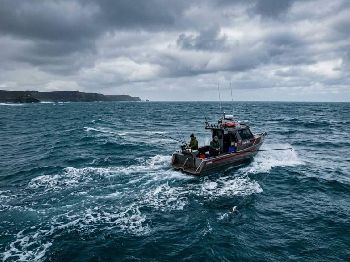
The strait can go from flat to 4-metre seas in two hours as fronts build from the Southern Ocean, and May through August brings the most active frontal sequences of the year.
Use the 48-hour marine forecast as your minimum planning window - and always check the four-day outlook for developing westerlies before committing to a shelf-edge run from Portland.
Bag limits and rules
In Victoria, the southern bluefin tuna bag limit is 2 fish per person, with a possession limit of 2 whole fish or less than 160 kilograms in any other form, according to the Victorian Fisheries Authority.
In New South Wales, the limit is 1 fish per person under DPI rules.
South Australia's recreational limits are managed by PIRSA - confirm current limits before departure as rules were updated from 1 May 2026.
Recreational SBT fishing across all states falls within Australia's national allocation, which the Australian Fisheries Management Authority sets at 5% of the Southern Bluefin Tuna Fishery quota.
Gear checklist for early-season deep fish
Downriggers set to 30 to 50 metres with bibbed diving lures or skirted trolling heads running 7 to 9 knots are the primary setup for current conditions.
Keep a surface spread running - dawn and dusk sessions regularly produce surface-feeding bursts even when fish are holding deep during the day.
Traces of 100 to 150 lb wire or heavy mono are standard for Bass Strait fish, which run 40 to 80 kilograms at this time of year, with 100 kg-plus fish a genuine prospect along the shelf break.
Long runs to the shelf edge from Portland - 25 to 40 nautical miles each way - mean fuel planning matters as much as tackle selection.
Current conditions require more search time as fish spread wide, so carry more fuel than you think you need.
Your questions answered
When is the peak? Late June through late July historically produces the most consistent action in Bass Strait. In warm-water years like 2026, expect the best surface fishing to shift toward mid-July.
Do I need a special permit? No. Recreational anglers target SBT under their state fishing licence. Commercial operators require Commonwealth permits under the Southern Bluefin Tuna Fishery.
What size are fish running now? Early-season Bass Strait fish typically run 30 to 60 kilograms in May-June, with larger fish over 80 kilograms moving through later. Current early-season reports point to 40 to 70 kilogram fish as the dominant bracket.
How do I find them across such a large area? Look for temperature breaks and colour changes - the transition from warmer surface blue water to cooler green-blue water pushed up from the south is where SBT stack. Seabreeze ocean temperature overlays can help you identify major current boundaries before leaving the ramp.
Track Bass Strait marine conditions and plan your departure window with Seabreeze marine forecasts , and check Victoria marine warnings before heading out.