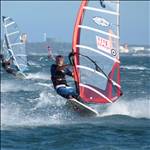
Time and time again you see wavesailing rules being flaunted up and down the WA coastline and at breaks around the world. Reading between the lines (and I have read the newspaper article and Sandman45's post) it would appear that Jamie should read the wavesailing rules. To this end I have pasted into this post the wavesailing rules specified on the Windsurfing WA website (
windsurfwa.com/WA/rules.html). The newspaper article mentioned that there were six other sailors on the water that day. Now I've sailed Sunset's on a number of occasions and it's a large break with good wavesailing opportunities over a large area so why the hell Jamie should feel the need to turn onto a wave someone is already riding is clearly questionable. If you ignore the rules then there's a reasonable chance you are going to get hurt.
Good on you Sandman45 for showing the courage to come forward and share your side of the story.
If you want to sail in the waves, make sure you know the rules.....

Wave Sailing Rules
Sailing safely in waves requires adherence to a certain set of immutable rules. The wave riding rules are aimed at making wave riding safer and more enjoyable for all. They are largely taken from surfing rules, with some additions, applicable only to sailboards.
Don't sail in conditions way out of your experience. Wave sailing requires a good water start (fast and efficient), preferably a reliable gybe (or tack), and probably the ability to jump. Don't sail conditions that are way out of your capabilities, you will just break gear and ruin the waves for everybody else (especially in crowded breaks).
The sailor who is heading out has right of way of the sailor that is coming in on the wave. The sailor riding the wave has speed and manoeuverability, and must give way to those sailing out.
The sailor riding the wave closest to the breaking part of the wave has right of way over all other wave riders. Usually this is the sailor most upwind. You can ride a wave with a sailor closer to the breaking part of the wave than yourself, but don't crowd the sailor, and watch closely and be prepared to get out of the way.
Don't drop in. This is a very bad practice, completely abhorred in surfing and windsurfing circles, and is very dangerous. Dropping in is the act of climbing on a wave that someone else is already riding. Dropping in is often achieved by sailing over the back of a wave that someone else is already riding. Doing this can lead to landing on top of the person riding the wave, and is thus dangerous. The first person on a wave, owns the wave.
Don't ride shore-wards on the back of a wave. This practice is dangerous. In such a position you cannot see the
sailors that are in the water until the last moment, and it is easy to hit them as the appear through the back of the wave.
These rules are universally accepted around the world. If you abide by them, you will have little trouble with other sailors in the waves. If you don't, you will have some very angry sailors confronting you on the beach.