Really... you can't see the pattern emerging?
The 3 attacks that occurred at Rockingham, Garden Island and Rottnest Island (500m offshore) were in areas where very few people frequent the water. Compare this with WA's most crowded beaches (Scarborough to Mullaloo) that have had no attacks to date.
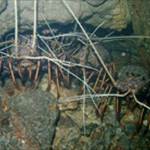
The reef habitat in the image provides an abundance of marine life which attract large sharks including seals, large fish and whales etc. The Swan River mouth opens up into the Attack Zone which happens to be close proximity to Cottesloe beach which would explain the attacks there. Mandurah also has an estuary in close proximity to the Attack Zone which would suggest that an attack may be more likely occur there also.
I don't believe sharks go around randomly attacking people. They are already in attack mode when they come across humans. If a shark comes to certain area chasing food they will be in attack mode and if humans happen to be in that area, there is an increased likelihood of attack. The area in the Google Earth image is arguably one such area. Other 'more popular' beaches in Perth outside of the area do not provide a food source which is why attacks are less likely to occur there.
Another point I'd like to make is why the hell is Colin Barnett trying to catch the shark responsible by baiting the waters of Rottnest? Firstly it is highly unlikely that the same shark will be caught. Secondly do we really wnt to be 'baiting' already aggressive sharks at our favourite holiday destination? This could result in a human and environmental tragedy. Nice going Col'n!
Dawn Patrol said... 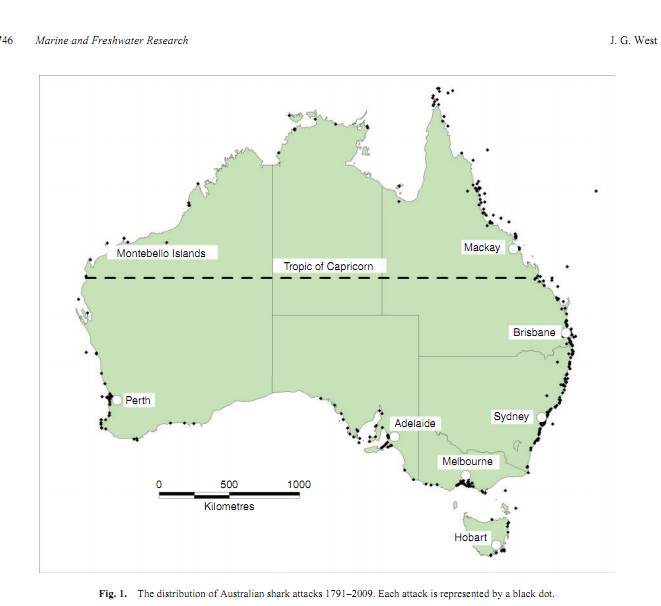
There it is. I wonder what the chances of Perth, Sydney, Melbourne and Brisbane all being located in 'attack zones'. Huge conspiracy