10982 posts
Geez Chrispy... Not sure he liked cold ones
Here's an interesting bit, I'll look for a vid.
In 1944, Burroughs began living with Joan Vollmer Adams in an apartment they shared with Jack Kerouac and Edie Parker, Kerouac's first wife. Vollmer Adams was married to a GI with whom she had a young daughter, Julie Adams. Burroughs and Kerouac got into trouble with the law for failing to report a murder involving Lucien Carr, who had killed David Kammerer in a confrontation over Kammerer's incessant and unwanted advances. This incident inspired Burroughs and Kerouac to collaborate on a novel titled And the Hippos Were Boiled in Their Tanks, completed in 1945. The two fledgling authors were unable to get it published, but the manuscript was eventually published in November 2008 by Grove Press and Penguin Books.
During this time, Burroughs began using morphine and quickly became addicted. He eventually sold heroin in Greenwich Village to support his habit.
Vollmer also became an addict, but her drug of choice was Benzedrine, an amphetamine sold over the counter at that time. Because of her addiction and social circle, her husband immediately divorced her after returning from the war. Vollmer would become Burroughs' common-law wife. Burroughs was soon arrested for forging a narcotics prescription and was sentenced to return to his parents' care in St. Louis. Vollmer's addiction led to a temporary psychosis, which resulted in her admission to a hospital, and the custody of her child was endangered. Yet after Burroughs completed his "house arrest" in St. Louis, he returned to New York, released Vollmer from the psychiatric ward of Bellevue Hospital, and moved with her and her daughter to Texas. Vollmer soon became pregnant with Burroughs's child. Their son, William S. Burroughs, Jr., was born in 1947. The family moved briefly to New Orleans in 1948.
Burroughs was arrested after police searched his home and found letters between him and Allen Ginsberg referring to a possible delivery of marijuana.[citation needed]
[edit]Mexico and South America
Burroughs fled to Mexico to escape possible detention in Louisiana's Angola state prison. Vollmer and their children followed him. Burroughs planned to stay in Mexico for at least five years, the length of his charge's statute of limitations. Burroughs also attended classes at the Mexico City College in 1950 studying Spanish as well as "Mexican picture writing" (codices) and the Mayan language with R. H. Barlow.
In 1951, Burroughs shot and killed Vollmer in a drunken game of "William Tell" at a party above the American-owned Bounty Bar in Mexico City. He spent 13 days in jail before his brother came to Mexico City and bribed Mexican lawyers and officials to release Burroughs on bail while he awaited trial for the killing, which was ruled culpable homicide.[14] Vollmer's daughter, Julie Adams, went to live with her grandmother, and William S. Burroughs, Jr. went to St. Louis to live with his grandparents. Burroughs reported every Monday morning to the jail in Mexico City while his prominent Mexican attorney worked to resolve the case. According to James Grauerholz, two witnesses had agreed to testify that the gun had gone off accidentally while he was checking to see if it was loaded, and the ballistics experts were bribed to support this story.[15] Nevertheless, the trial was continuously delayed and Burroughs began to write what would eventually become the short novel Queer while awaiting his trial. However, when his attorney fled Mexico after his own legal problems involving a car accident and altercation with the son of a government official, Burroughs decided, according to Ted Morgan, to "skip" and return to the United States. He was convicted in absentia of homicide and sentenced to two years, which was suspended.[16] Although Burroughs was writing before the shooting of Joan Vollmer, this event marked him and, biographers argue, his work for the rest of his life.[17]
After leaving Mexico, Burroughs drifted through South America for several months, looking for a drug called yagé, which promised the user telepathy. A book, composed of letters between Burroughs and Ginsberg, The Yage Letters, was published in 1963 by City Lights Books.
[edit]
10982 posts
Sir Douglas Mawson, although he is brown bread..
I just read the Peter Fitzsimons book on Mawson and the antarctic. What a great story, can't recommend it high enough.. don't be put off by the 700 odd pages it is easy to read. So do yourself a favour as Molly would say.. and read about a fairly forgotten Aussie legend..
Synopsis of the book
Sir Douglas Mawson, born in 1882 and knighted in 1914, remains Australia's greatest Antarctic explorer. On 2 December 1911, his Australasian Antarctic Expedition left Hobart to explore the virgin frozen coastline below Australia, 2000 miles of which had never felt the tread of a human foot. He was on his way to fulfil a national dream he had first conceived three years earlier, while on his first trip to the frozen continent on the Nimrod expedition under the leadership of the charismatic Anglo-Irishman Sir Ernest Shackleton. Even as Mawson and his men were approaching Antarctica, two other famous Antarctic explorers were already engaged in nothing less than a race to become the first men to reach the South Pole. While Roald Amundsen of Norway, with his small team, was racing with dogs along one route, England's legendary Scott of the Antarctic, with his far larger team, was relying primarily on ponies and 'man-hauling' to get there along another. As Mawson and his men make their home on the windiest place on earth and prepare for their own record-breaking treks, with devastating drama to be their constant companion, the stories of Amundsen and Scott similarly play out. With his trademark in-depth research, FitzSimons provides a compelling portrait of these great Antarctic explorers. For the first time, he weaves together their legendary feats into one thrilling account, bringing the jaw-dropping events of this bygone era dazzlingly back to life.

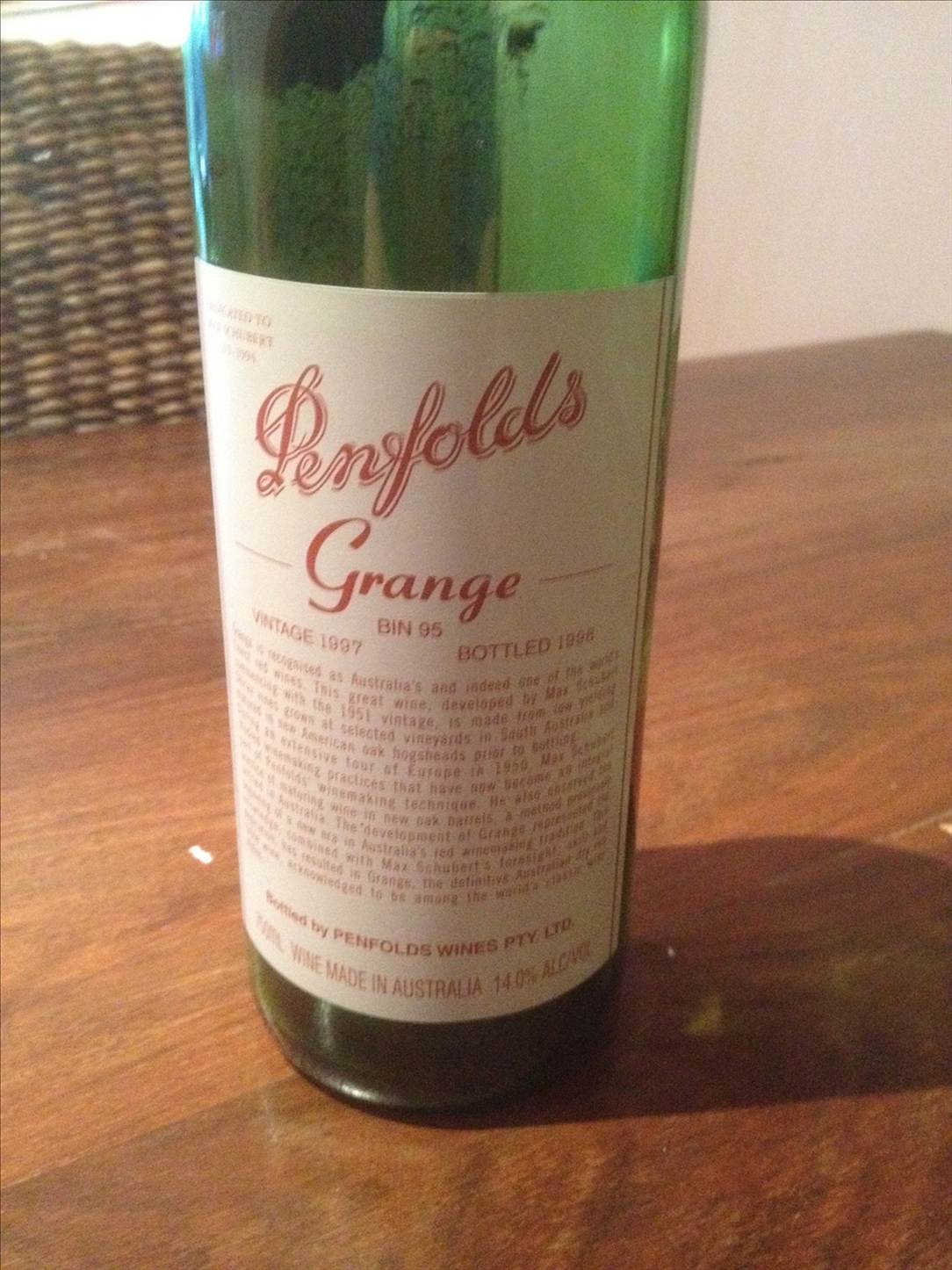
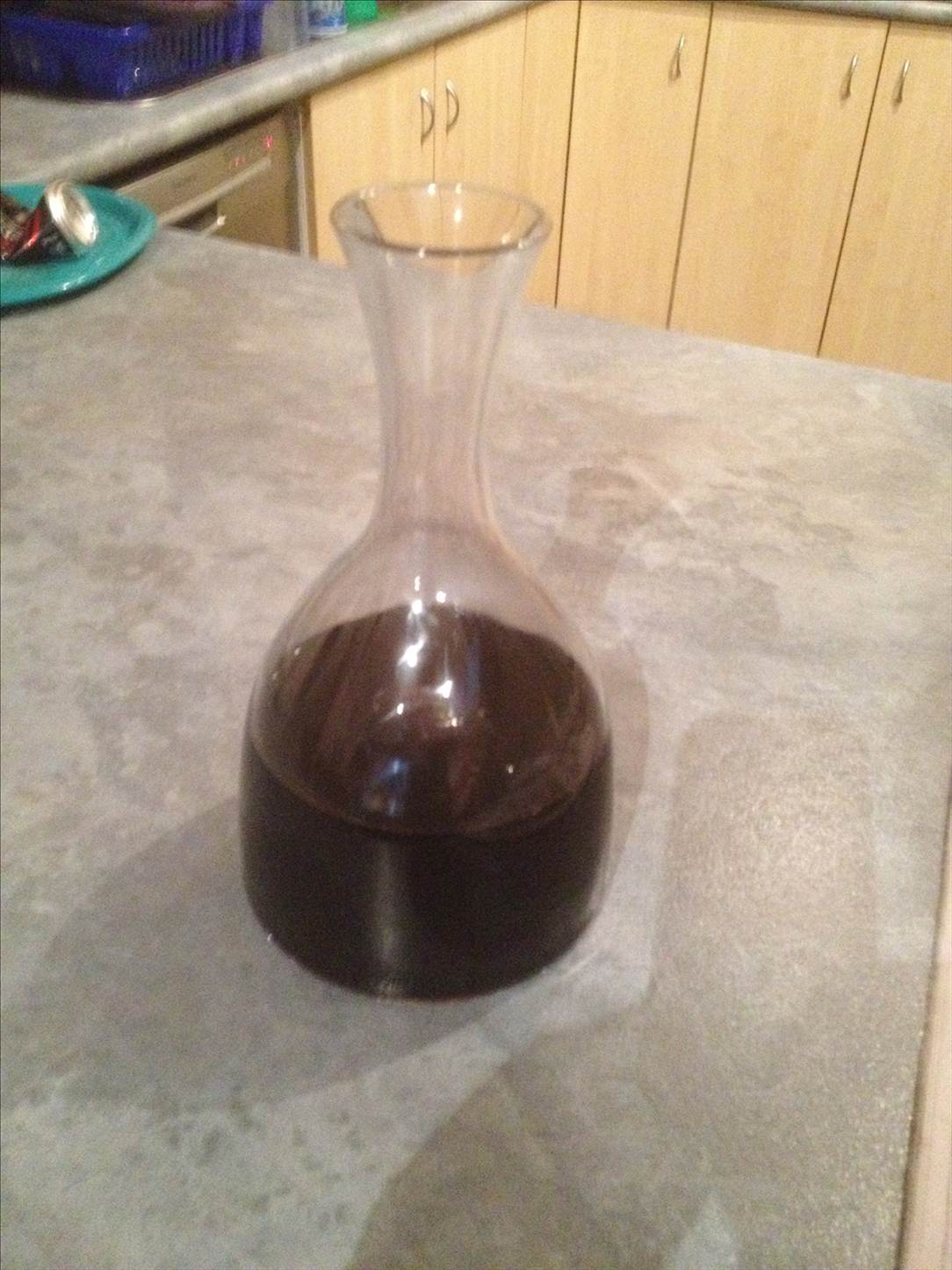


 so william i am starting my first one right now for you.
 shame i could have had my house boat and noogies