foxsup said...
Hey cmc - if I can get some info' from cabrinha about what type of cork they use can you decipher what's in the article and translate it into simple speak that us laypersons can understand in relation to the stand up paddle board ? (pretty please)
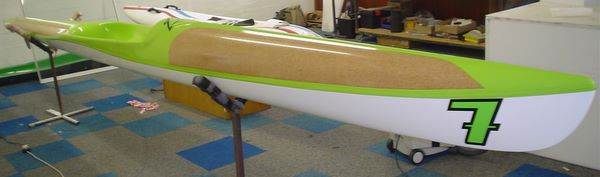
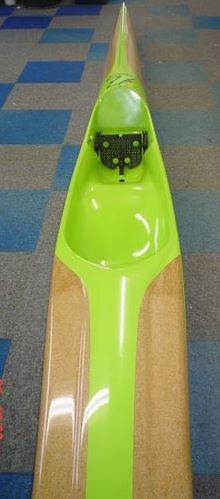
Cork is nice and lightweight and softer and more flexible than PVC. PVC is always popular as it is very strong for its weight, it is however very expensive. Matt Biolis was also using cork in his shortboards as he liked the flex and the Cabrinha site also mentions flex as a property of its Cork boards.
The advantage would be that it is light and adds strength over just laminated EPS particularly in lighter grades light 15gm or the like that they use in these kinds of boards. It would not be as strong as PVC but have more flex. I would imagine it also having a greater amount of flex to other veneers also. This could be a good thing.
The negative would be that it would not be as bullet proof as PVC, more aimed perhaps at more high performance surfers focused upon performance and weight over durability.
I know a lot of people don't believe SUP boards flex or that it has anything to do with performance but I think this is incorrect. I was talking to a guy the other day in the carpark looking at my SUP. He asked me if I thought SUP's are too thick to flex, I flipped it over and put a foot lightly on the bottom, the board flexed easily, with full body weight and speed from a wave it would be bending more than you can imagine, it's how the board rebounds out of a turn along with the fins recoiling after they also flex that is the slingshot effect (most people call it twang) you feel on a good board. Stiff boards just exit the turn, no slingshot...... I think Carbrinha is tying to find a medium to offer this high performance flex character with durability.