barn said...
Few questions, and a guessing game.
1:Does anyone use thinners in the epoxy to make everything wet out easier? If so, what sort?
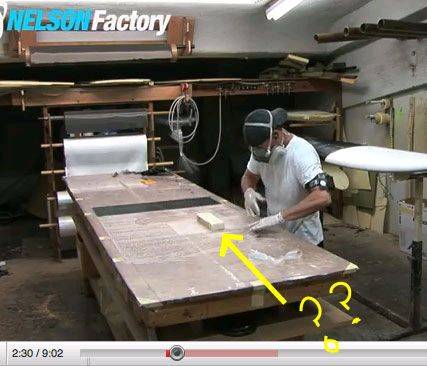
2: In this video, a yellow mix goes on first, than a blue mix.. I was guessing epoxy with pigments?
old mates using a brown putty from a fat tube... any ideas what it is?? looks like good stuff!
4: I want to make an more robust board (an Invincible tank) that can survive in the waves, so I'm after some HD foam to use around the fins and mast track? Whats the specs of this foam? and wheres a good place to find it (my EPS supplier was no help..off with the fairies/fumes)
cheers in advance!
barn i have used thinners on the nonslip deck with no problems but the experts say it can weaken the epoxy, you can use zylol from fgi its a cleaning solvent made to cleanup ,the red stuff you get from auto pro K&H stop putty and i'm sure the blue stuff is K&H KAHFIL its a light weight car bog and there probably using it to fill pinholes in the bog , i have used the KAHFIL but it's heavy, the stop putty is great stuff its like a etching primer if you sand it with wet&dry you get a mirror finish with no scratches
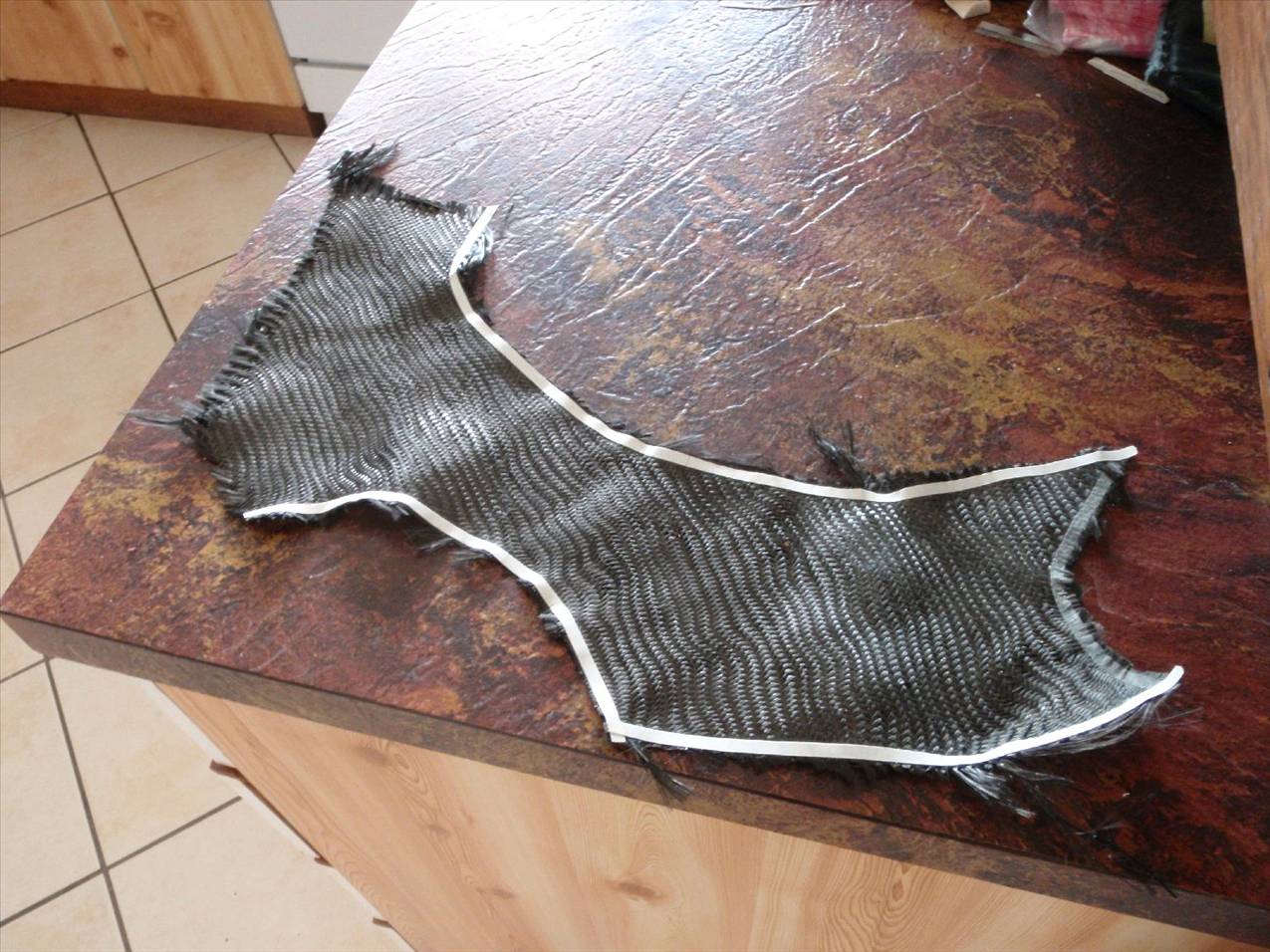
if you want to strengthen the fin and mast boxes prelaminate them with 10ml divinicell and 30z unidirectional carbon with the fibres longitudinal and have a double layup of divinicell in the stress areas
if your going to use carbon in the final lay up use 30z satin weave over it , the satin weave is such a tightly woven cloth its high in impact, and it compacts the carbon fibres when in the bag ,meaning less imperfections when bagging, and also satin weave is hard to sand e.g (when sanding the bog you don't get sand throughs to the carbon, also you can wet it out then screw it up in a ball and wring it out and it will pull back into shape, allso you get less pinholes because of such a tight weave
when your bogging use brown micro balloons , the problem is they attract moisture and go red and fluffy so you mite need to dry them out in an oven without the fan
the most important thing is when laminating use a slow resin f.g.i have one and use a fibreglass wheel (not the paddle roller ,the bolt type ) and just keep working the resin in with the roller until the resin goes milky, then when laying up use the roller to spred the fibres, you will notice when the resin is getting sticky you drag the fibres with a squeegee
cheers
ps barn if you can read through the bu..**it you mite find some of it helpfull