

Goodmorning all,
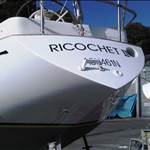
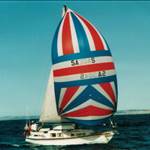
Currently looking at purchasing a Traditional 30 boat... I had put an offer in the other day however sadly this feel thru. Just wondering if anyone has an idea of how many were built... This boat looks quiet good and roomy interior for 2 people to sail on and I have heard they sail well in light winds.
I shall keep an I eye for when another one comes along however it would be nice to chat with people who have a Traditional 30 or know of them.
Cheers! 
Benjie.
I think there was Trad 30 a thread here late last year. Never sailed one, but have sailed against plenty. Good seaworthy boats that sail well.
Yes I have sailed on a Traditional and also used to race against a couple when we had our Nantucket 31. Both Peter Cole designs, the Traditional was a little slower than the Nantucket but they were more of a cruiser. Nice boats, very comfortable below. I think they also had a lead keel? We were rafted up next to one, a friend dove down to scrub both boats and when he came up his comment was that both boats had the same shape hull until you reached the stern. Nantucket has a more pinched in stern than a Traditional.
Good comments here;
www.cruisersforum.com/forums/f124/reviews-and-views-on-traditional-30-yacht-80119.html
IIRC from past comments on this forum the keels were advised to be cast iron by someone who would know - bingo as above.
See sailboat data; this is the fractional rig they were also built in masthead rigs.
sailboatdata.com/sailboat/traditional-30
Not sure how many were built sorry. The "sail well in light winds comments" - a club racer at our club seems to need 5-6kts to get going reasonably - not sure if that is what you mean by light winds. As always speed is crew and boat dependent.
I've always liked the design/layout of the Traditional 30 and most Cole designed yachts in general. The cast iron keel is a worry for me, as I have read some concerning reports on keeping them maintained and that cast iron corrodes from the inside out. From what I have read the only reason cast iron was used rather than lead was to save initial building costs?
Of course there are many web articles on cast iron and lead keels, and their pros and cons. CI is cheaper that is a given. Maybe your comments re corrode from inside out come from this article?
www.practical-sailor.com/blog/iron-versus-lead-in-keels
This article presents other information.
corsicamarinesurveys.com/keels.html#:~:text=Iron%20Benefits%3A,Much%20stronger%20than%20lead.&text=Iron%20keels%20have%20the%20advantage,not%20chip%20away%20during%20impacts.
I have owned and maintained numerous yachts with CI keels and never had a problem - keeping up the CI primer and undercoat and antifouling on them is the key - it is not difficult. These yachts include a Van de Stadt Black Soo, Hood 20, Santana 22 (2 off), Compass 750 (2 off), Farr727, Columbia22, Whiting 26.
Select to expand quoter13 said..
Of course there are many web articles on cast iron and lead keels, and their pros and cons. CI is cheaper that is a given. Maybe your comments re corrode from inside out come from this article?
www.practical-sailor.com/blog/iron-versus-lead-in-keels
This article presents other information.
corsicamarinesurveys.com/keels.html#:~:text=Iron%20Benefits%3A,Much%20stronger%20than%20lead.&text=Iron%20keels%20have%20the%20advantage,not%20chip%20away%20during%20impacts.
I have owned and maintained numerous yachts with CI keels and never had a problem - keeping up the CI primer and undercoat and antifouling on them is the key - it is not difficult. These yachts include a Van de Stadt Black Soo, Hood 20, Santana 22 (2 off), Compass 750 (2 off), Farr727, Columbia22, Whiting 26.
Yes, the first article refers to Graphitic Corrosion in cast iron. Evidently, the durability depends on the quality of the original casting and the composition of the metal used.
The second article argues that it makes sense to use cast iron if you are BUILDING a new boat as a cost benefit.
For example, the current cost of scrap lead is $1.85kg, scrap iron is 10 cents per kg. So the cost of material for a keel for the Traditional 30 at 1682kg in lead would be around $3,000. Compared to cast iron at $168. Quite a difference!
The boats that you have listed above as ones that you have owned appear to be mainly trailer sailers, in which case cast iron is the logical choice. In keel boats, lead seems to be most preferable for a variety of reasons.
Thanks Ramona, wasn't certain about the lead keel on Traditionals...obvious if you think about it as they had a different builder to the Nantucket.
Select to expand quote2Shakey said..r13 said..
Of course there are many web articles on cast iron and lead keels, and their pros and cons. CI is cheaper that is a given. Maybe your comments re corrode from inside out come from this article?
www.practical-sailor.com/blog/iron-versus-lead-in-keels
This article presents other information.
corsicamarinesurveys.com/keels.html#:~:text=Iron%20Benefits%3A,Much%20stronger%20than%20lead.&text=Iron%20keels%20have%20the%20advantage,not%20chip%20away%20during%20impacts.
I have owned and maintained numerous yachts with CI keels and never had a problem - keeping up the CI primer and undercoat and antifouling on them is the key - it is not difficult. These yachts include a Van de Stadt Black Soo, Hood 20, Santana 22 (2 off), Compass 750 (2 off), Farr727, Columbia22, Whiting 26.
Yes, the first article refers to Graphitic Corrosion in cast iron. Evidently, the durability depends on the quality of the original casting and the composition of the metal used.
The second article argues that it makes sense to use cast iron if you are BUILDING a new boat as a cost benefit.
For example, the current cost of scrap lead is $1.85kg, scrap iron is 10 cents per kg. So the cost of material for a keel for the Traditional 30 at 1682kg in lead would be around $3,000. Compared to cast iron at $168. Quite a difference!
The boats that you have listed above as ones that you have owned appear to be mainly trailer sailers, in which case cast iron is the logical choice. In keel boats, lead seems to be most preferable for a variety of reasons.
Why is cast iron the logical choice for a TS. I have a TS with a lead antimony keel .Cast Iron keels have a nasty habit of swelling and jamming in the keel box if not properly cared for
Sure if we are going to look into all the future problems of a cast iron keel - whether fixed keel or trailer sailer - which are not properly cared for then this post will become extensive. See here a good article on refurbishing a CI keel.
www.boatsnews.com/story/20344/my-keels-rusting-what-can-i-do
TS have been designed and built with both CI and lead keels. So the term "logical choice" is probably effusive - it depends on the designers choice.