cbulota said...
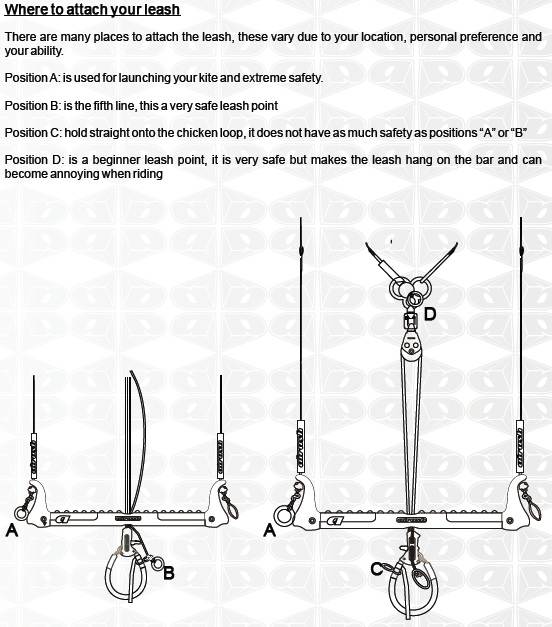
I guess you're lucky to have the IDS system flag out 99% of the time for you because I can't say I've experienced or seen similar results. Just like they mention in their own video: ''we recommend walking towards the kite to achieve full depower'' which means it doesn't systematically flag out when the safety is released, just like it happens in the video....now what if you are in deep water and the kite doesn't flag out ? Are you supposed to ''take a few steps forward'' or maybe swim faster than the wind to achieve flagging out and be able to retrieve your kite safely? Seriously if I grabbed a couple of different IDS kites from the last 3 years or so and pull the safety system in various winds conditions they wouldn't flag out completely half the time.
Ok, I've made some comments that disagree or contradict some advice you have been giving beginners in this section of the forum. I do not know you and none of my comments are directed towards you personally.
The Cabrinha video above is from 2009, its now late 2012 and there have been 3 later versions of the IDS system, each one has seen improvements and refinements to the system, but the video is still relevant and provides some excellent information.
The section of the video about self landing assumes you are on land as shown in the video, so you can walk towards the kite.
In the water the kite will of course have some residual drag, simply because there is a large kite hanging off the end of the 2 front lines, but due to the way the bridle is constructed the kite cannot actually power up and a rider can either swim up/pull up the centre lines and achieve the same 100% depower and then self rescue.
Sometimes I have seen issues with the IDS, when its deployed, but its very rare and in most cases it was deployed unnecessarily, by beginners who have panicked when the lines are all slack.
Like I said there are a range of things that can and do go wrong with 5th line systems too, and that I've frequently seen especially when in the hands of beginners.