NickT said..Bar in all the way initiating the loop at first and sheet out or trim later if you want a slower loop after otherwise you run the risk of just driving it into the water whilst being up high.

Other things I like to mention to people starting is make sure your kite is trimmed properly so your kite wont stall mid loop, watch out for gusty or shadowed conditions doing loops. People always try and start small with loops but once you can go big it's actually a lot easier as you have a lot more time and nearly always get caught to some degree, the windier the better. So not really a build up trick but more pull the trigger and do it.
You also want a vertical jump to begin with otherwise you'll come in way too hot, I like to sheet out on my run in so my kite moves forwards in the window then drive it back as hard as possible whilst sheeting in again, if your kite is deep to begin with you'll just jump long and need a speed board to land.
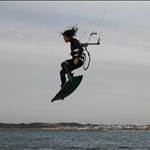
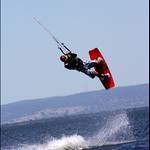
The crew here have been working on kite loops all season with varying degrees of success...ouch!
The above info is what we have found works as well, good info.
Also, (and this was past on to me by big eez I think? Can't remember) we have found you really have to edge load and pop and go as vertical as possible, to the point where we are leaving the water almost at 11 ( well feels like it, might be more like 1130) then as it moves through 12, you initiate the loop. Almost in a way the kite doesn't stop, (sort of does but not much). Quicker, tighter loop and you find you activate either slightly before the apex, hence you get a proper yank, rather than the heli type loop.
Still gotta work on pushing out then back in with the downloop, sometimes coming is so hot you lose your sht and just take the landing like a bitch. Ouch...
Pss don't underestimate a good backroll back loop, leave the water early, pull little back pressure on and rip that loop hard...can get big height, whereby you need to do the old push bar away and downloop as well to slow yourself down.!!!


 Been trying to analyse what Ive been doing wrong..