I feel this information is so important that it needs a new topic.
In the development of the electronics of the GX-52 GPS, Tom Chalko did a huge amount of technical accuracy testing. The
biggest thing that his testing showed up is that the most important determinant of accuracy is the way the GPS is oriented and therefore worn.
Even with a lower gain antenna, accuracy was exceptional with direct line of sight exposure to the sky. This means the antenna is facing the sky directly. He tells me he found that any other orientation degraded the accuracy severly.
With higher gain antenna as in the new GX-52, ideal orientation can give accuracy results that are so good there is almost no significant error. He is talking 0.02 Knots!!!.
Currently, most records the WGPSSRC have ratified have had error deductions of around 0.25 knots. Some have been greater. Very few have been less than 0.2 knots.
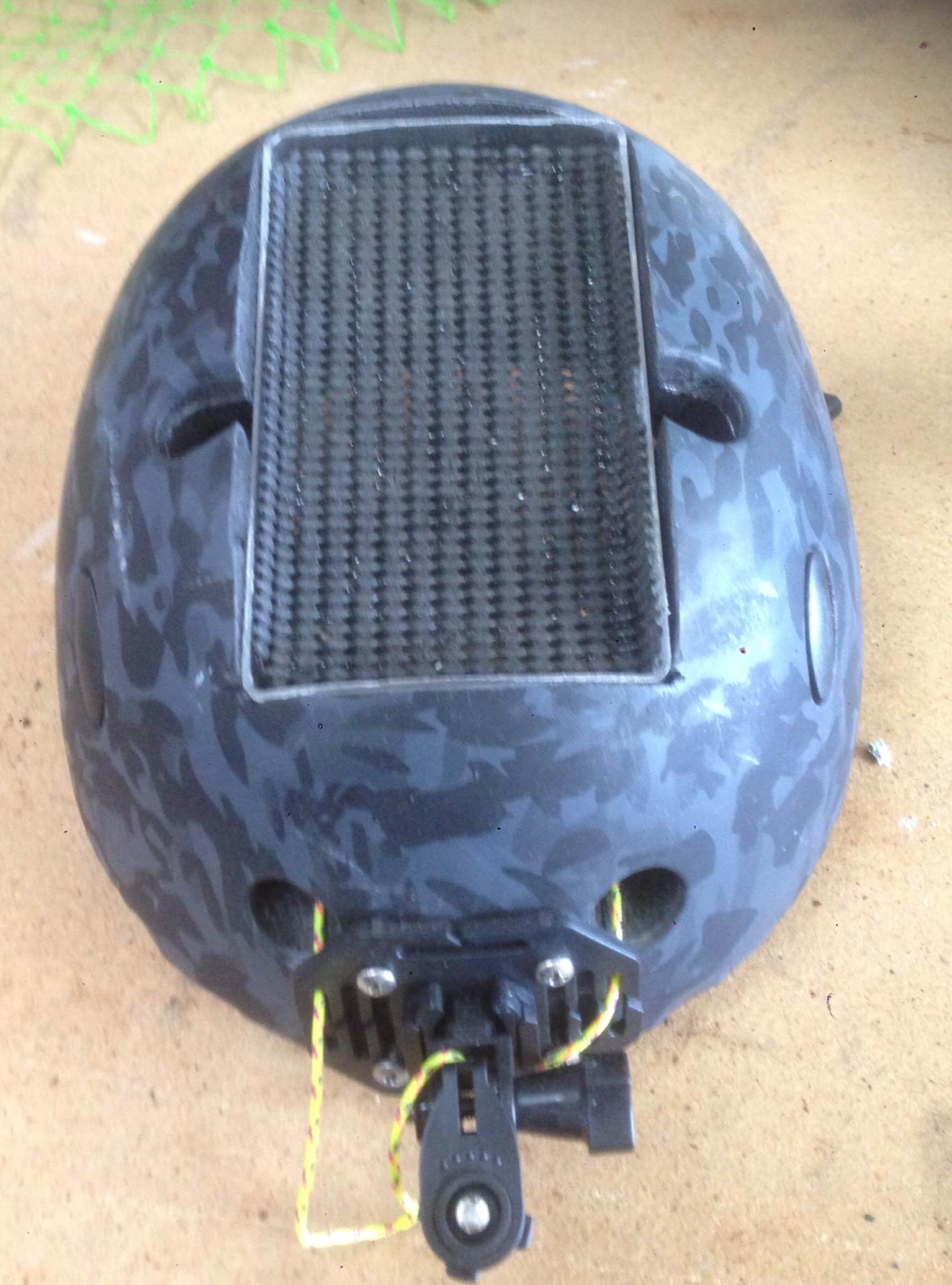
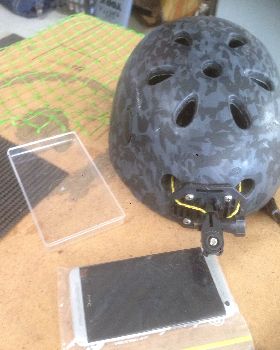
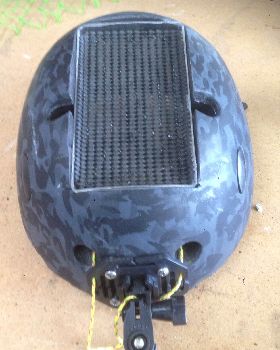
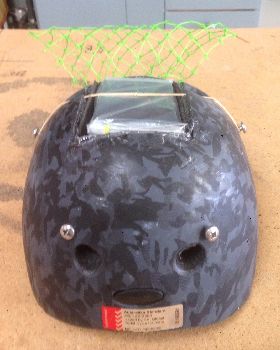
By far the best way to get the very best accuracy is to mount the GPS's in or on your helmet!
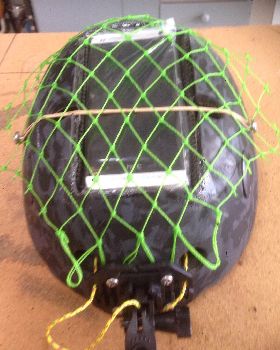
There are a number of ways to do that, but unfortunately, most helmets don't have enough thickness inside the shell to accommodate GPS's. The Pro-Tek helmets Tom, Mal Wright and I use are exceptions, but ASFAIK, they are no longer available.
There are a number of big advantages to running your GPS in/on your helmet:
1. Orientation. Your head will be almost always oriented towards the sky and more or less level to provide the GPS with the best possible orientation for best reception and signal strength of the most satellites.
2. Best view of the sky. On the top of your helmet the GPS will have the very best, unobstructed view of the sky. Other places, like your upper arm are compromised by you head and body partially blocking their view and resulting is less satellites locked in, poorer reception and more chance of multipath errors.
3. The 'Bio-dampening'. Your head moves and shakes around the very least of any other GPS mounting location virtually eliminating this source of error.
4. You can clearly
hear the Genie audio feedback. This allows you to instantly know if your average speed is still increasing, invaluable on a speed run. At the end of the run you can hear the top speed and x-average (10 second) speed beeps so you don't even have to look at your GPS to know the results of that run.
See the original pictures and reasoning here:
web.archive.org/web/20140709180759/http://mtbest.net/speed_sailing_helmet.html
My Practical Experience:
I have had an almost identical setup to that pictured in the link above for quite a few years now. I always have two GT-31's in the helmet when any serious speed sailing is being done, and I also usually wear one GPS on my arm.
The two GPS in the helmet always have almost identical results, and often differ from the GPS on my arm. The tracks are cleaner. The errors much lower and in maneuvers like the Alphas, the data is far more accurate with none of the spikes and errors usually seen in arm mounted GPS in Alphas.
I can always hear the Genie feedback when speedsailing (If I have remembered to turn it on - and only on
one GPS!), and I can hear the speed results for that run before I get a chance to look at the GPS on my arm.
I have never even looked like having the GPS in my helmet fail due to water. I put them inside a new zip lock bag and they have never got damp, even after an epic half hour swim across the inlet into 2 foot waves and a howling wind. In that episode, the one on my arm in the 'waterproof bag' drowned and died.
I can happily sail unencumbered by arm bags if I choose to, which is an advantage sometimes in wild conditions.
It is very hard to lose your GPS when it is in/on your helmet. I have lost at least two over the years when the arm bag was ripped off in crashes.
Here is a challenge. I would like to see some practical ideas and designs for mounting your GPS in or on your helmet. Maybe it can be as simple and gluing some sort of Box to the top of the helmet? Maybe you can go wild with space age, high tech styling and design?
Let us all see you ideas and constructions in this thread.