

Australian Salmon: Surf, Rock and Timing
Quick summary
Australian salmon school along surf beaches and rocks from autumn through winter - getting there when conditions are right beats any amount of patience.
A 9-10ft spin rod with a 4000-size reel, 20lb braid and a 40-60g metal slug will cover 90% of surf situations.
The how-to
After reading this, you'll know how to find a school, read the conditions, pick the right lure, and land fish consistently from beaches and rocks without a boat.
Australian salmon school in massive numbers along surf beaches and rock ledges from Esperance in WA around to southern NSW, and getting a cast into a moving school is one of the most satisfying moments you'll have on a spin rod.
The fish are not tricky - they respond aggressively to lures and they fight hard for their size.
The challenge is finding them at the right moment, in the right spot, in the right conditions.
Cameron Cronin, writing for Tackle Tactics, notes that westerly winds dramatically improve your odds: they flatten the swell close to shore, clear the water, and make schools of salmon visible from a distance - a critical advantage when fish might be 300 metres down the beach.
When to be there: seasonal timing by region

SA and WA are autumn-winter fisheries. Schools push northward as sea temperatures drop from April onwards, and the runs peak between May and July across South Australian and West Australian beaches.
In WA, the action moves through Perth beaches and enters the Swan River as the Leeuwin Current cools and contracts southward - the North Mole at Fremantle is a reliable spring spot once the movement reverses.
On the East Coast, the migration runs the opposite direction.
Cronin's timing guide for NSW: salmon start showing in numbers around Sydney from June, arrive on the central coast from July to August, and reach peak numbers across the east coast in September before reversing south as summer approaches.
In Victoria, expect consistent salmon action from Pt Nepean to the Shipwreck Coast from May through August.
Bag and size limits vary by state: in SA, the limit is 20 fish per day under 35 cm and 10 per day over 35 cm; in WA, 4 fish with a 300 mm minimum; in Victoria, 20 salmon and Australian herring combined per day, with no minimum size.
Reading the beach before you cast
Getting to high ground first is the single best habit you can build for salmon fishing.
A sand dune or coastal headland with a good pair of polarised glasses will let you scan 500 metres of beach in two minutes - looking for the unmistakable dark mass of a school pushing along the gutters.
Cronin describes the approach: watch a patch of dark water in the surf for 30 seconds before committing - a salmon school will shift shape, show silver flashes, or move, where a weed patch or reef will stay static.
"I will then watch the school to see which direction it is travelling in, then drive to an access point where I can intercept their movement."
Larger, high-energy surf beaches hold bigger schools with more consistency - the prominent gutters give salmon a channel to push in close and feed.
A non-obvious cue: watch for bronze whalers and dolphins working the surf line ahead of the school, as apex predators actively push salmon schools into shallower water - when this happens, the fishing window can be spectacular but brief.
Tide and conditions: the decision matrix
On beaches, fish the higher stages of the tide - incoming or the top two hours of high - when gutters have enough depth to hold fish comfortably within casting range.
On rock ledges, the lower stages of the tide work better: rock platforms provide natural depth access regardless of tide height, and the receding water concentrates fish in known channels.
Avoid large swells for both beach and rock fishing when targeting salmon - not just for safety, but because rough, churned-up water pushes fish offshore and makes spotting schools impossible.
A target swell of under 2 m with offshore or westerly winds is the ideal salmon setup: clean water, visible fish, and long casting with the wind at your back.
Gear: what actually works
 For open surf beaches, a 9-10ft rod rated 5-10 kg matched to a 4000-5000 spin reel with 20lb braid is the standard SA, WA and Vic setup that guides and surf fishers consistently return to.
A 30-40lb fluorocarbon or nylon leader - roughly 2 m - gives abrasion resistance against the rocks and bite protection against tailor, which are the most common bycatch.
Metal slugs in the 40-60g range are the go-to for beach casting: they cut through headwinds, reach the distance needed to intercept offshore schools, and sink quickly enough to get through the whitewater.
The retrieve speed matters more than lure colour - keep the slug fast enough to stay in the top third of the water column, around three to four turns of the handle per second.
For lighter work on rocky beaches, a 7-8ft rod in the 2-4kg range matched to a 2500 reel and 10lb braid gives you the sensitivity to work 100-125mm soft plastics around rock ledges and sandy pockets.
One-quarter to one-eighth ounce jig heads with a 3/0 hook suit the soft plastics - avoid fine-gauge hooks, as large salmon will bend lighter wire on the strike.
Stickbaits and surface lures come into their own when schools are sitting in shallow, calm water: watching salmon break the surface to take a floating stickbait is a different experience entirely from blind-casting metal in the surf.
Replace treble hooks with inline single hooks (2/0 or 3/0) on all your metal lures - it makes releasing fish significantly safer for both the fish and your hands, and a large salmon + wet treble on a surf beach is a bad combination.
The retrieve and the hook-up
Keep the rod tip low during the retrieve - pointing the rod toward the lure reduces the angle and makes it much harder for a salmon to shake the hook on the jump.
Slack line is the main reason fish are lost: the moment you see a boil or feel the take, continue winding rather than lifting the rod sharply.
Salmon have soft mouths relative to their fighting weight, and a fast, panicky lift puts all the pressure on the hook point rather than distributing it across the line.
Once you have a fish running, let the reel's drag do the work - fighting a large salmon on light gear in the surf is about patience, not force.
When you're ready to beach the fish, wait for a wave to assist rather than dragging it across dry sand - wet sand at the wave edge is easier on the fish if you're releasing it.
Diagnosing a slow session
No bites after 20 casts: the fish are probably not in that gutter - walk 200 metres along the beach rather than standing in the same spot.
Fish following but not hitting: try dropping to a lighter leader or switch to a soft plastic on a lighter jig head - visible mono leader can put cautious fish off in clear water.
Short strikes: fish pecking the tail of the lure but not committing usually means the school is under feeding pressure or you're retrieving at the wrong depth - slow down and let the lure sink a beat or two before each retrieve.
Losing fish at the rocks: if fish are coming off before you can control them on ledge rock, shorten the fight by increasing drag slightly - salmon run hard on the first burst but tire faster than their fight suggests.
Schools visible but out of reach: this is a casting distance problem, not a lure problem - heavier slugs and a longer rod close the gap faster than changing lure colours.
Check current wind and swell forecasts for your local beach before heading out - reading the offshore forecast the night before will tell you whether conditions are worth the drive before you leave home.
Questions worth thinking about before your next session
What if schools aren't visible from high ground? Blind-cast systematically: work along the beach 20 metres at a time through the gutters, keeping your lure moving - salmon hold in predictable corridors even when schools are broken up.
Can you target salmon from kayaks or small boats? Yes - fish the same structure, gutters and headlands, but work the outside edge where schools hold when pushed offshore by predators or swell; anchor in the current rather than drifting through the school.
Do salmon eat well? Smaller fish under 35 cm - called "kippers" in most states - are table-quality when bled quickly and iced; larger fish are often smoked, used as bait, or released.
What works when you're missing the runs? Berleying with pilchard frames or chopped squid from a rock ledge at dawn or dusk will draw scattered salmon to your position when the big schools aren't running close.
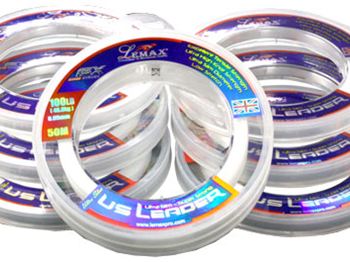

Which leader line should I use, and why?
It's one of fishing's most elementary tactics and can make a significant difference to your fishing success...


 Double Is Pt, QLD
